There’s something timeless about loading up the car, leaving the city behind, and watching the landscape slowly change through the windshield. The highways get quieter. The air feels cleaner. Cell service starts fading. Somewhere between the mountain overlooks, roadside diners, and endless pine forests, the trip itself becomes part of the vacation.
That’s exactly why scenic drives and cabin travel work so well together.
Cabins are built around atmosphere. They’re about slowing down, waking up to mist rolling over lakes, hearing rain hit a tin roof, and ending the night beside a fireplace instead of a screen. Scenic road trips create that same feeling long before you even arrive. The drive becomes a transition from noise to calm , from schedules to freedom.
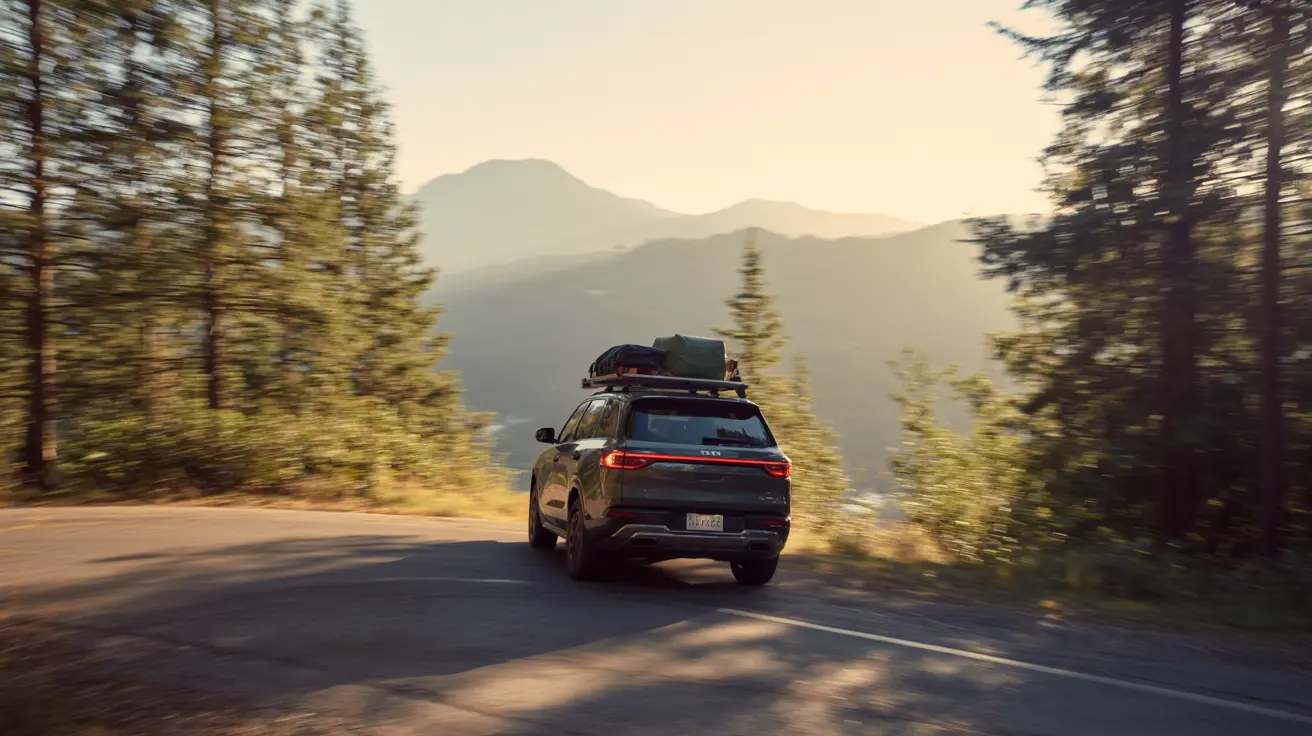
In 2026, more travelers are leaning into slower, nature-focused getaways instead of rushed vacations packed with airports, crowds, and overbooked itineraries. Scenic drives paired with cozy cabin stays offer something people increasingly crave: space, quiet, and experiences that actually feel restorative.
The best scenic drives for cabin travelers combine dramatic landscapes with easy access to forests, mountain towns, lakeside retreats, and hidden cabin rentals. They’re routes where every overlook feels cinematic and every stop feels worth staying an extra day.
This guide covers some of the best scenic cabin road trips across North America, from coastal highways in California to glacier-filled mountain roads in Canada. Along the way, you’ll discover the best cabin towns, scenic stops, travel seasons, outdoor activities, and hidden gems that turn an ordinary road trip into an unforgettable escape.
What Makes a Scenic Drive Perfect for Cabin Travelers
Scenic Landscapes and Natural Beauty
The best scenic drives are the ones that constantly make you want to pull over.
Mountain passes wrapped in fog. Dense forests that seem untouched by time. Lakes reflecting entire mountain ranges like mirrors. Coastal cliffs dropping into crashing waves below. These are the landscapes that transform a normal drive into something immersive.
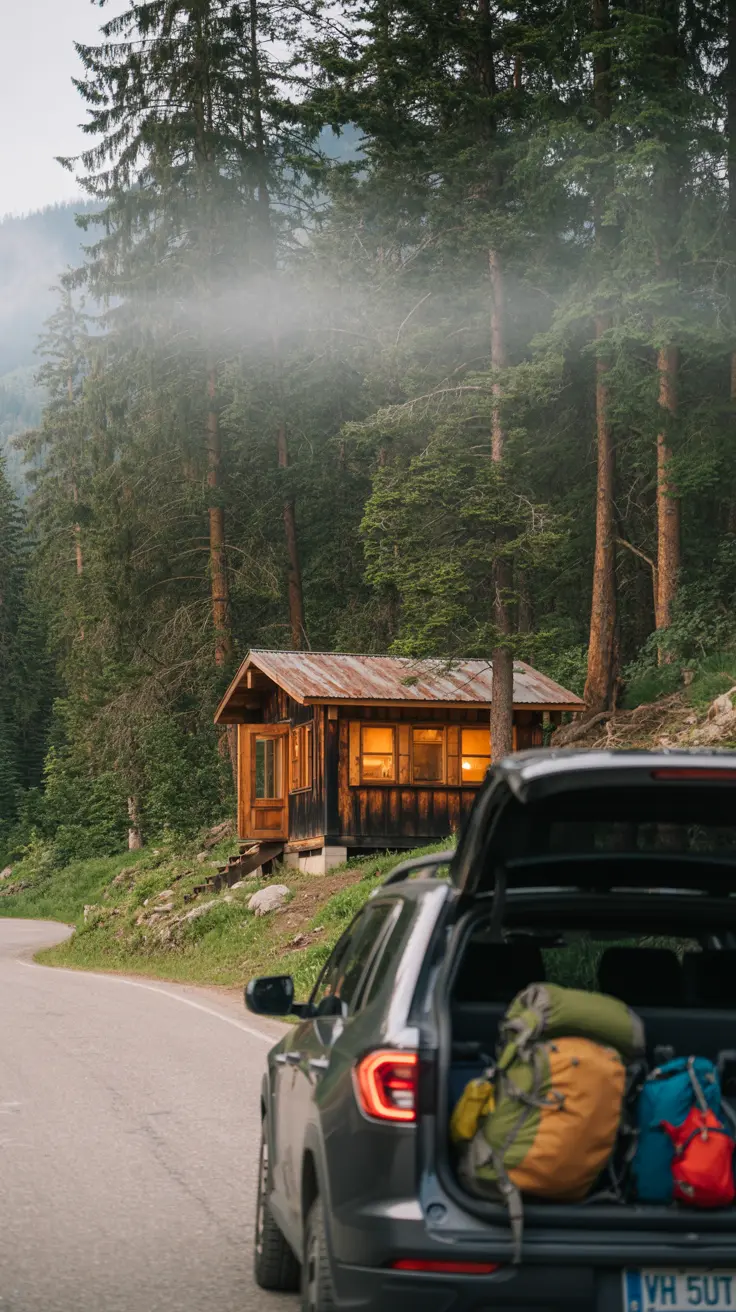
For cabin travelers, scenery matters even more because the entire trip revolves around atmosphere. A great cabin getaway starts before you even check in. The drive sets the mood.
Routes like the Blue Ridge Parkway and Icefields Parkway are popular because they never feel repetitive. One hour you’re winding through alpine forests, and the next you’re staring at waterfalls, glaciers, or wide-open valleys. That constant shift in scenery keeps road trips exciting without needing packed itineraries or nonstop attractions.
Seasonal changes also completely reshape these drives throughout the year.
Fall turns mountain highways into tunnels of orange and gold foliage. Spring brings waterfalls roaring back to life after winter snowmelt. Summer opens access to alpine roads and hiking trails, while winter transforms forest routes into snow-covered cabin escapes straight out of a postcard.
For many travelers, the scenery becomes the main event.
Cozy Cabin Access Along the Route
A scenic drive becomes even better when incredible cabins are scattered throughout the route.
The best cabin-friendly road trips make it easy to stop for a night , or three , in destinations that actually feel connected to nature. Instead of generic hotels off busy highways, cabin travelers look for places tucked into forests, perched beside lakes, hidden in mountain valleys, or overlooking dramatic coastlines.
That’s why routes near national parks, mountain towns, and wilderness areas continue dominating cabin travel trends in 2026.
Places like Asheville, Big Sur, Banff, Whitefish, and North Conway have become major cabin destinations because they combine scenery with comfort. Travelers can spend the day driving scenic roads or hiking trails, then return to hot tubs, fireplaces, wraparound decks, and quiet evenings under the stars.
Different scenic drives also create different cabin experiences.
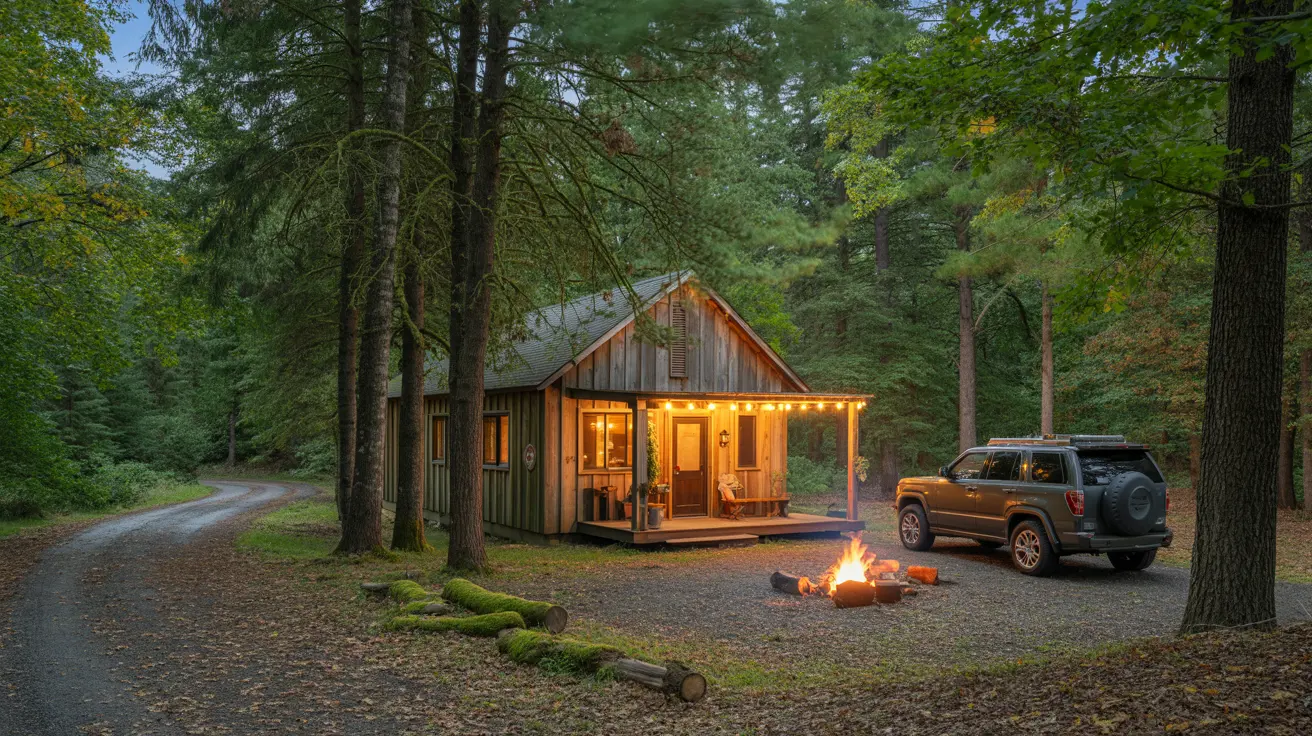
Some routes specialize in rustic off-grid cabins deep in the woods. Others focus on luxury mountain lodges with panoramic windows and spa-like amenities. Coastal drives often feature cliffside cabins with ocean views, while forest routes lean heavily into secluded woodland escapes.
The variety is part of the appeal.
Relaxed Pace and Road Trip Atmosphere
Not every road trip is about getting somewhere fast.
Scenic drives are designed to slow you down.
They encourage spontaneous stops at scenic overlooks, roadside cafes, hiking trails, waterfalls, and tiny towns you would normally drive right past. Unlike interstate highways built for efficiency, scenic byways reward curiosity.
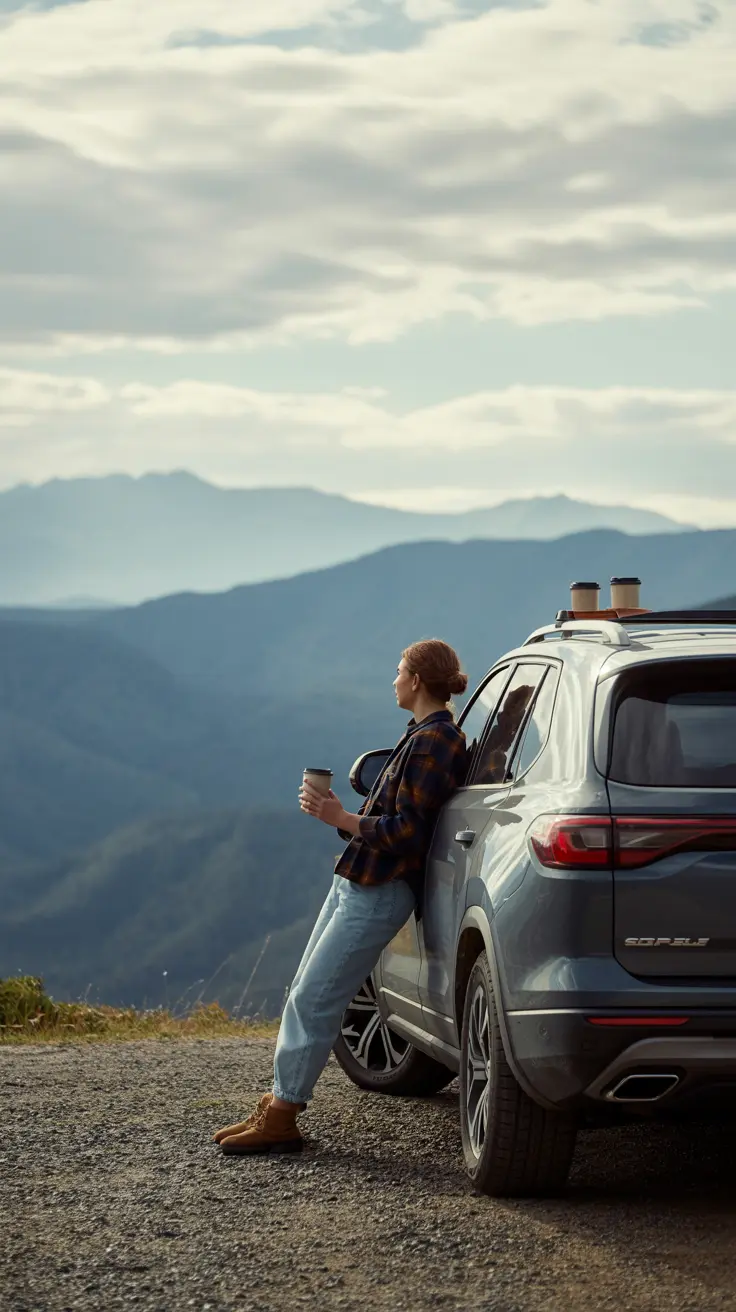
That slower pace naturally fits cabin travel.
Cabin vacations are rarely about rushing through attractions. They’re about enjoying the process , morning coffee on a deck, scenic detours, late sunsets, and long conversations around fire pits. Scenic drives extend that same energy into the travel experience itself.
Some of the best scenic roads in North America are filled with pull-offs specifically designed for travelers to stop and take in the view. You’re not supposed to rush through them.
Routes like Skyline Drive and Going-to-the-Sun Road practically force you to slow down because every few miles reveals another panoramic overlook or hiking trail worth exploring.
That slower rhythm creates more memorable travel experiences. People remember the unexpected roadside bakery, the hidden waterfall, or the random scenic stop they discovered by accident far more than they remember sitting in airport terminals.
Outdoor Activities Along the Way
Scenic drives become even more rewarding when the road itself connects travelers to outdoor adventure.
Many of the best cabin road trips pass directly through national parks, forests, lakes, and wilderness areas packed with activities. That means travelers can spend part of the day driving incredible roads and the rest hiking, fishing, kayaking, photographing wildlife, or exploring scenic trails.
Hiking is often the biggest draw.
Routes like the Blue Ridge Parkway, North Cascades Highway, and Glacier National Park all offer easy roadside access to trails ranging from short waterfall walks to full alpine hikes. Travelers can pull over, spend an hour exploring nature, then continue the drive without needing complicated planning.
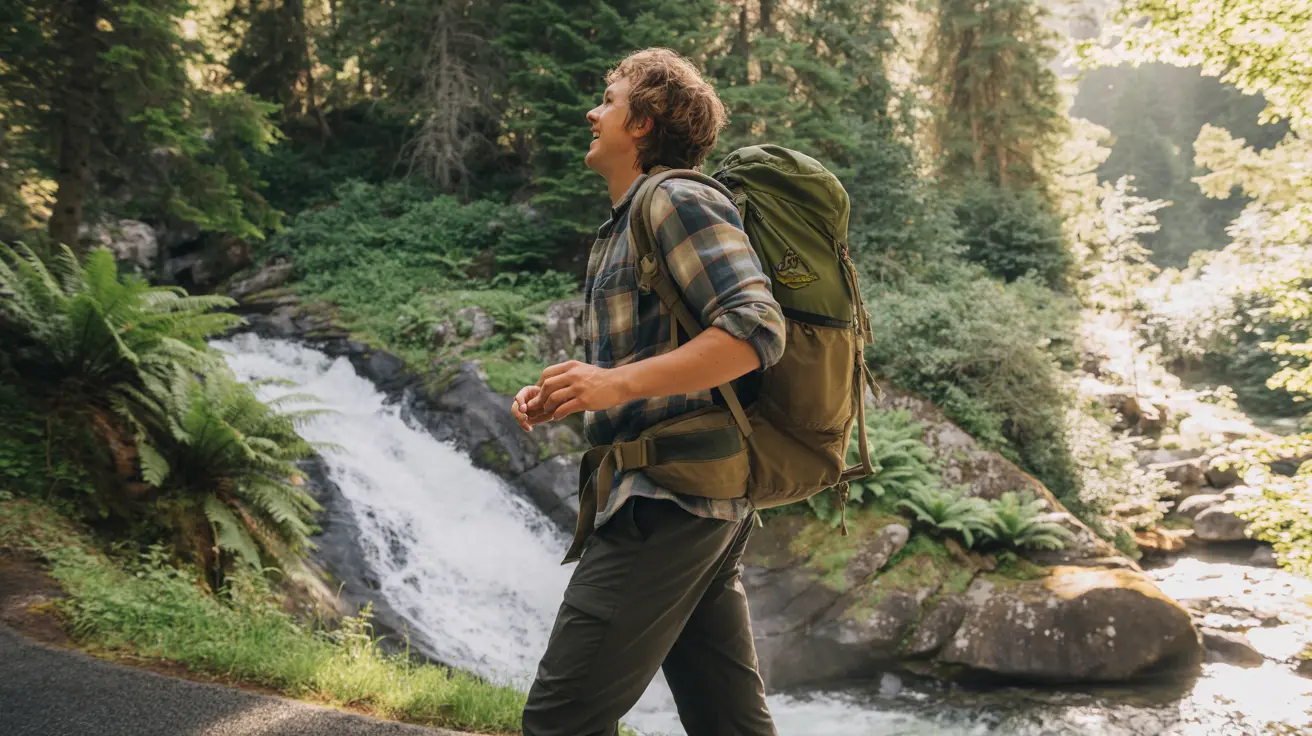
Fishing is another major reason cabin travelers gravitate toward scenic routes near lakes and rivers. Mountain highways often pass through trout-filled rivers, alpine lakes, and quiet fishing towns where travelers can spend peaceful afternoons outdoors before returning to their cabins.
Wildlife viewing also becomes part of the experience.
Drives like Icefields Parkway are famous for sightings of elk, bears, mountain goats, and deer. In many areas, simply driving slowly through the landscape becomes its own form of sightseeing.
Then there are the waterfalls, scenic overlooks, and hidden stops that make these routes unforgettable.
Some of the most iconic scenic drives in the world are remembered less for the road itself and more for the moments surrounding it , standing beside a glacier-fed lake, hearing waterfalls echo through a canyon, or watching sunset spill across mountain peaks from a roadside overlook.
That’s what makes scenic cabin travel feel different from ordinary vacations.
The road becomes part of the destination.
Best Scenic Drives for Cabin Travelers in 2026
Blue Ridge Parkway (Virginia & North Carolina)
Why It’s One of the Best Scenic Cabin Routes
Few scenic drives in America capture the cozy cabin-road-trip atmosphere better than the Blue Ridge Parkway.
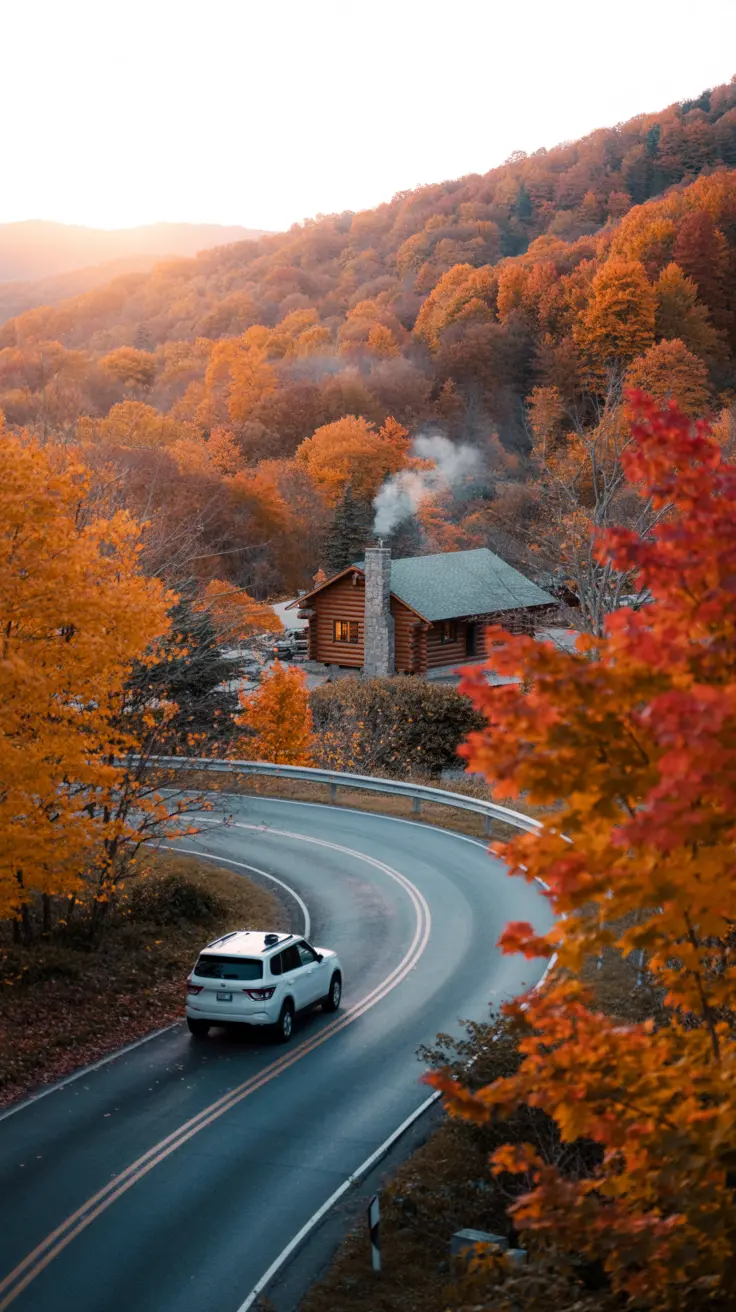
Stretching through the Appalachian Highlands across Virginia and North Carolina, this legendary route feels built for slow travel. Rolling mountain ridges, endless forest views, winding roads, and quiet overlooks create the kind of scenery that makes travelers want to stop every few miles just to take it all in.
Unlike faster interstate routes, the Blue Ridge Parkway encourages a slower pace. There are no commercial trucks, no aggressive city traffic, and very few distractions from the landscape itself. The entire drive feels peaceful, which is exactly why it pairs so well with cabin travel.
The route becomes especially magical during sunrise and sunset, when layers of blue-tinted mountains stretch endlessly into the distance. Add in fog-covered valleys, roadside waterfalls, and crisp mountain air, and it’s easy to understand why this drive continues ranking among the best scenic road trips in North America.
Best Cabin Towns Along the Parkway
One of the biggest reasons cabin travelers love the Blue Ridge Parkway is the number of cozy mountain towns scattered along the route.
Asheville remains one of the most popular cabin hubs thanks to its mix of mountain scenery, creative culture, breweries, and luxury cabin rentals hidden in the surrounding hills. Boone and Blowing Rock offer classic Appalachian cabin experiences with easy access to hiking trails, scenic overlooks, and forest roads.
Travelers looking for quieter escapes often gravitate toward smaller towns with secluded cabins tucked deep into the woods. Many of these rentals feature fireplaces, hot tubs, wraparound porches, and panoramic mountain views that make the drive feel even more rewarding.
Whether you want rustic simplicity or upscale mountain luxury, the Parkway offers both.
Best Time of Year to Visit
Fall is easily the most famous season for driving the Blue Ridge Parkway.
From late September through October, the mountains explode with orange, red, and golden foliage that transforms the entire landscape into one of America’s best fall road trips. Cabin rentals book quickly during this period because demand spikes dramatically.
Spring is another underrated season, especially for travelers who enjoy waterfalls, blooming wildflowers, and fewer crowds. Summer brings lush green mountain scenery and ideal hiking conditions, while winter offers a quieter, moodier cabin atmosphere in certain sections of the route.
Each season completely changes the experience.
Top Stops and Overlooks
The Parkway is filled with scenic overlooks, but some stops stand out more than others.
Linville Falls remains one of the most popular waterfall hikes along the route, offering dramatic canyon views and multiple scenic trails. Craggy Gardens is famous for panoramic mountain scenery and blooming rhododendrons in late spring.
Mabry Mill has become one of the most photographed locations on the Parkway thanks to its historic mill, reflective pond, and peaceful Appalachian atmosphere.
Further south, the Linn Cove Viaduct near Grandfather Mountain creates one of the most iconic driving views anywhere on the route.
The beauty of the Parkway, though, is that some of the best moments happen between destinations , random overlooks, quiet roadside pull-offs, and mountain views that appear unexpectedly around the next curve.
Pacific Coast Highway / Highway 1 (California)
Coastal Views and Oceanfront Scenery
Driving California’s Pacific Coast Highway feels cinematic in the best possible way.
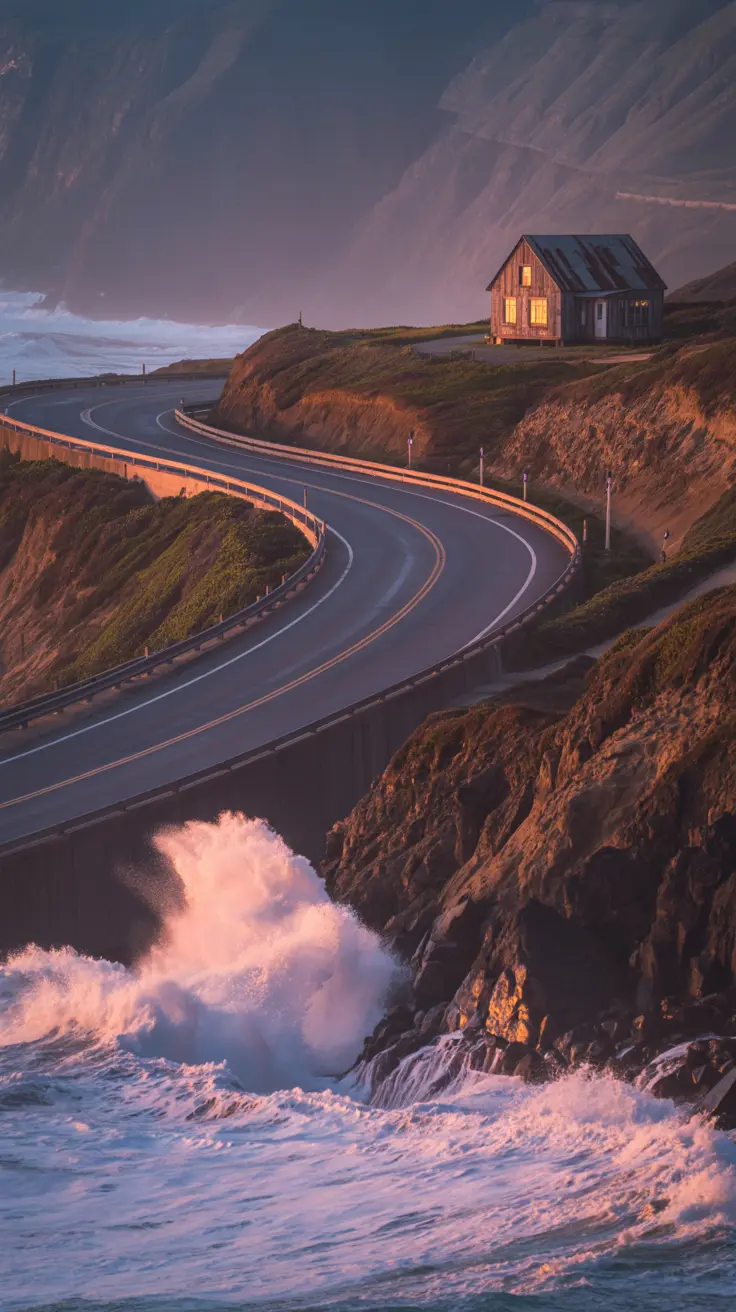
The road clings to rugged cliffs above the Pacific Ocean, winding past crashing waves, dramatic sea stacks, hidden coves, and towering coastal mountains. Every stretch feels like something pulled from a travel documentary.
The Big Sur section is easily the most iconic part of the route. Here, cliffs plunge directly into the ocean while fog drifts through forests of towering redwoods. The contrast between mountains and sea creates scenery unlike almost anywhere else in North America.
Sunsets along Highway 1 are especially unforgettable. Golden light reflects off the water while the coastline glows orange and pink, turning even simple roadside stops into memorable moments.
For cabin travelers, the atmosphere is perfect , peaceful, dramatic, and deeply connected to nature.
Best Cabin Destinations Along the Route
Cabin stays along Highway 1 range from rustic coastal hideaways to ultra-luxury cliffside retreats.
Big Sur is the crown jewel for cabin travelers seeking dramatic scenery and secluded stays surrounded by forests and ocean views. Many rentals feature floor-to-ceiling windows, outdoor soaking tubs, and decks overlooking the coastline.
Further north, Carmel offers upscale cabins and cottages with a more polished coastal-town atmosphere, while San Simeon provides quieter cabin stays near beaches and elephant seal viewing areas.
Travelers looking for a more forest-focused escape can also find redwood cabins tucked into wooded areas just inland from the coast.
Hidden Beaches and Nature Stops
Part of Highway 1’s magic comes from the unexpected stops hidden along the drive.
McWay Falls is one of the most famous viewpoints, where an 80-foot waterfall pours directly onto a secluded beach beside turquoise water. Pfeiffer Beach attracts travelers with its purple-tinted sand and massive rock formations rising from the ocean.
Bixby Bridge remains one of California’s most photographed landmarks, offering dramatic coastal views from nearly every angle.
But some of the best moments come from smaller pull-offs and hidden beaches scattered throughout the route. Travelers willing to explore often find quiet coves, forest trails, and scenic picnic spots far away from crowds.
Best Seasons for Driving Highway 1
Late spring and early fall are generally considered the best times to drive Highway 1.
These seasons usually bring clearer skies, fewer crowds, and more stable road conditions. Summer can still be beautiful, but coastal fog often rolls in heavily during mornings and evenings, especially around Big Sur.
Winter offers dramatic stormy ocean views and quieter roads, though travelers should always check for occasional landslides or road closures caused by coastal weather.
No matter the season, the route feels best when travelers take their time rather than rushing through it in a single day.
Icefields Parkway (Alberta, Canada)
Glaciers, Lakes, and Mountain Scenery
Some scenic drives feel beautiful. Icefields Parkway feels almost unreal.
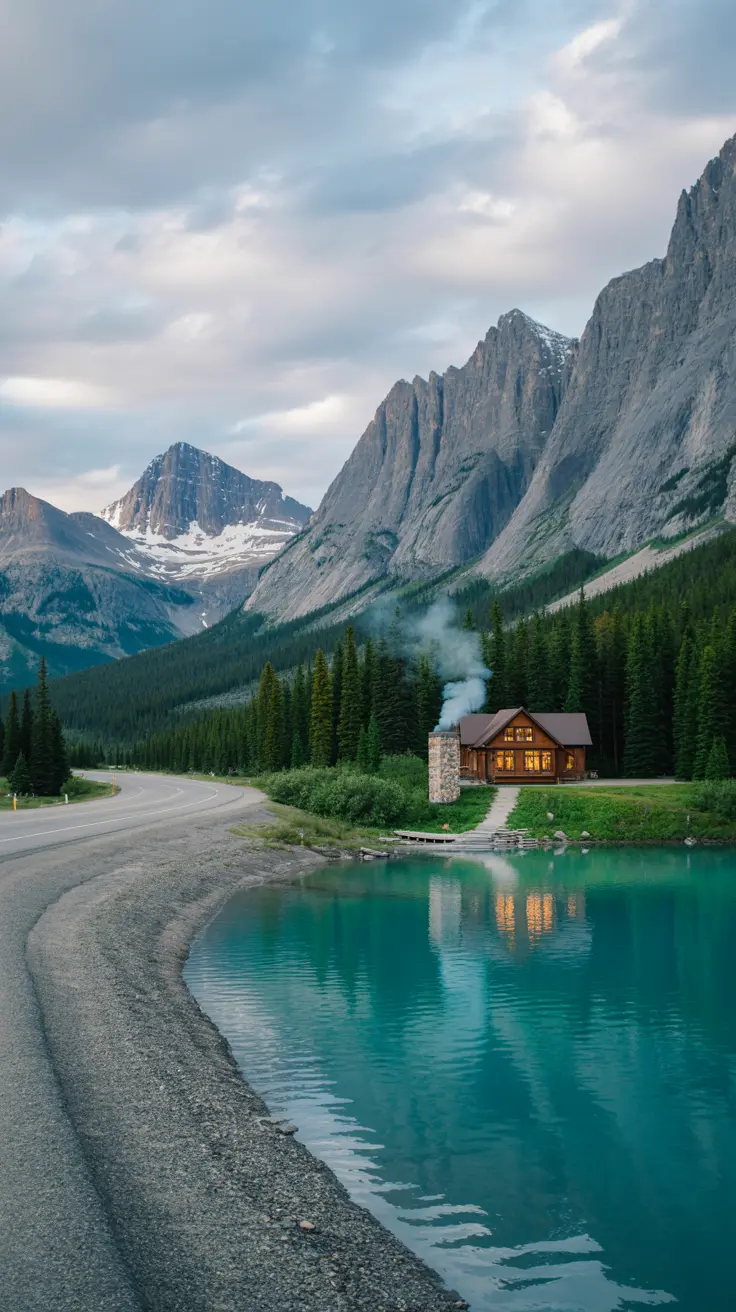
Running between Banff and Jasper National Parks in Alberta, this legendary Canadian highway cuts directly through the heart of the Rockies, surrounding travelers with glacier-covered peaks, turquoise lakes, frozen waterfalls, and massive valleys that seem to stretch forever.
Nearly every section of the drive looks like a desktop wallpaper brought to life.
The scenery constantly shifts between dense pine forests, towering cliffs, reflective alpine lakes, and ancient glaciers hanging above the road. Even experienced travelers often describe Icefields Parkway as one of the most visually impressive drives they’ve ever experienced.
What makes the route especially perfect for cabin travelers is how isolated and immersive it feels. Once you’re on the Parkway, the outside world disappears quickly. There are long stretches with no major towns, no city distractions, and almost nothing competing with the natural landscape around you.
It’s pure mountain atmosphere from start to finish.
Cabin and Chalet Experiences Nearby
Cabin travelers visiting Icefields Parkway usually base themselves around Banff, Jasper, or Lake Louise, where mountain lodges, chalets, and forest cabins create the perfect home base for exploring the region.
Banff offers the most developed cabin experience, mixing luxury mountain resorts with rustic alpine stays surrounded by dramatic peaks. Jasper leans quieter and more secluded, attracting travelers looking for a calmer wilderness atmosphere.
Lake Louise remains one of the most sought-after areas thanks to its iconic turquoise lake and postcard-level scenery. Cabin stays here often feature breathtaking mountain views directly outside the windows.
Many travelers choose to split the trip between multiple cabin destinations along the route instead of staying in one place the entire time. That slower approach makes the drive feel more immersive and allows travelers to explore hiking trails, lakes, and overlooks without rushing.
Wildlife Encounters Along the Route
One of the most exciting parts of driving Icefields Parkway is the wildlife.
Seeing animals here doesn’t feel rare , it feels expected.
Mountain goats often appear near roadside cliffs, elk roam through valleys, and bears are frequently spotted near forest edges during warmer months. Travelers may also encounter deer, bighorn sheep, and even wolves in more remote sections of the route.
Because wildlife sightings are so common, many drivers move slowly through certain areas, especially during sunrise and sunset when animals become more active.
For photographers and nature lovers, the Parkway feels less like a highway and more like a moving safari through the Canadian Rockies.
Must-See Stops Between Banff and Jasper
Icefields Parkway is packed with iconic stops that turn the drive into a full-day experience.
Peyto Lake remains one of the most photographed locations in Canada thanks to its surreal turquoise water and wolf-head-shaped viewpoint. Athabasca Falls offers roaring glacier-fed waterfalls crashing through narrow rock canyons.
The Columbia Icefield is another major highlight, giving travelers the chance to walk near one of the largest ice masses in the Rockies.
Bow Lake, Sunwapta Falls, and Mistaya Canyon are also worth stopping for, especially for travelers who enjoy shorter scenic walks between driving stretches.
The route rewards patience. The more time you allow yourself, the better the experience becomes.
North Cascades Scenic Highway (Washington)
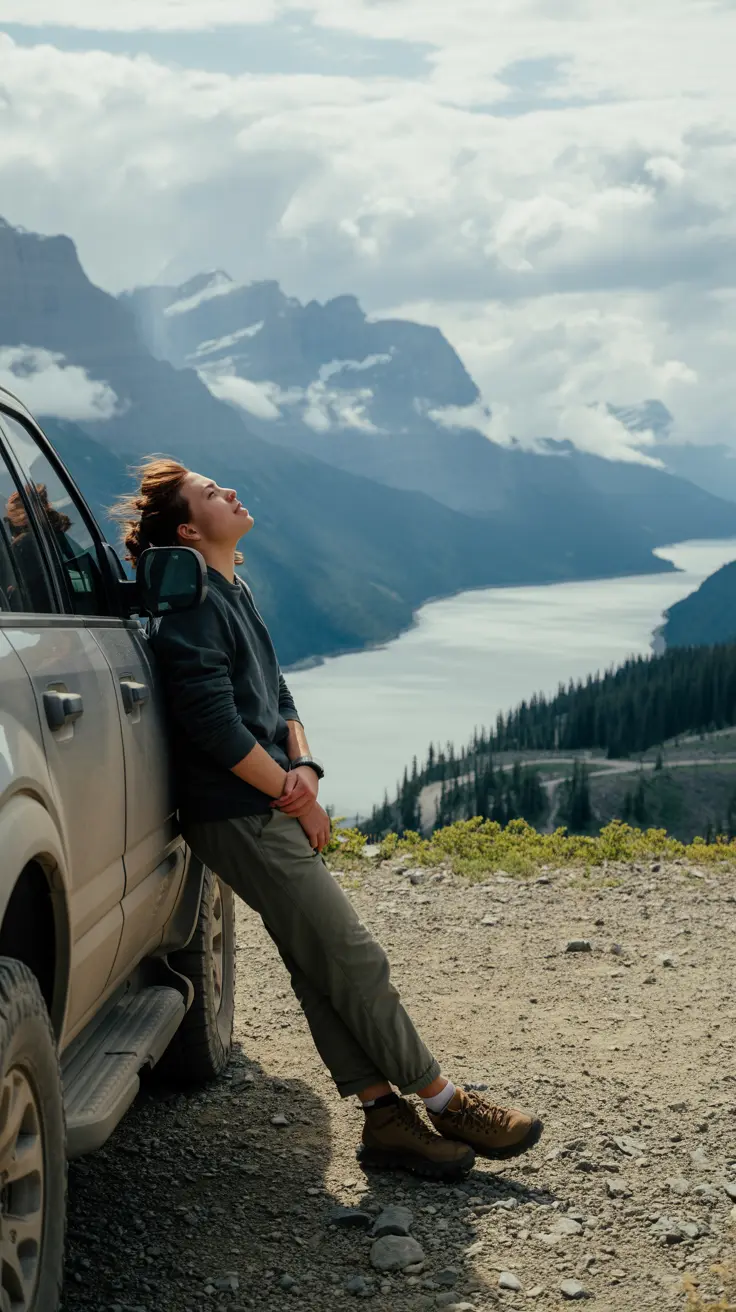
Alpine Peaks and Glacier Views
Washington’s North Cascades Scenic Highway feels wild in a way many scenic drives no longer do.
The mountains here are sharper, darker, and more dramatic than most travelers expect. Jagged alpine peaks rise above thick evergreen forests while glaciers cling to distant ridgelines throughout much of the year.
The route cuts through North Cascades National Park, an area often called the “American Alps” because of its rugged terrain and massive glacier count.
One of the most striking features of this drive is the color of the lakes. Diablo Lake and Ross Lake glow with surreal turquoise water caused by glacier sediment, creating views that almost look digitally enhanced in photos.
Unlike more commercialized scenic routes, North Cascades still feels relatively untouched, which is exactly why cabin travelers continue discovering it.
Cozy Cabin Areas in the Cascade Loop
Cabin travelers exploring Highway 20 often stay around Winthrop and the Methow Valley, where rustic mountain cabins and forest lodges blend perfectly into the landscape.
Winthrop itself has a charming Old West-style atmosphere with wooden storefronts, local cafes, and mountain-town energy that feels both relaxed and adventurous.
Further along the route, travelers can find secluded forest cabins tucked beside rivers, hidden among pine trees, or overlooking valleys surrounded by peaks.
Many rentals here focus more on simplicity and nature rather than luxury, though upscale mountain lodges have also become increasingly popular in recent years.
The peaceful atmosphere is part of the appeal.
Best Outdoor Stops and Hikes
North Cascades Scenic Highway is packed with outdoor stops that feel tailor-made for cabin travelers who enjoy active road trips.
Diablo Lake Overlook is easily one of the most famous stops on the route, offering panoramic views of bright turquoise water surrounded by mountain ridges.
Ross Lake provides opportunities for kayaking, fishing, and hiking, while trails like Cascade Pass attract travelers searching for alpine scenery and glacier views.
Short waterfall walks, forest trails, and scenic pull-offs are scattered throughout the route, making it easy to break up the drive without needing extensive planning.
Even simple roadside stops feel cinematic here.

Why This Drive Feels Less Crowded
One of the biggest reasons travelers fall in love with North Cascades Highway is the lack of crowds compared to other famous scenic routes.
Despite offering scenery equal to some of the best national parks in North America, the region remains surprisingly overlooked by mainstream tourism. That means travelers often experience dramatic mountain views without packed overlooks or endless traffic.
For cabin travelers seeking peace, quiet, and a more authentic wilderness atmosphere, that matters.
The route feels slower, calmer, and more connected to nature than many heavily commercialized scenic drives.
Skyline Drive (Virginia)
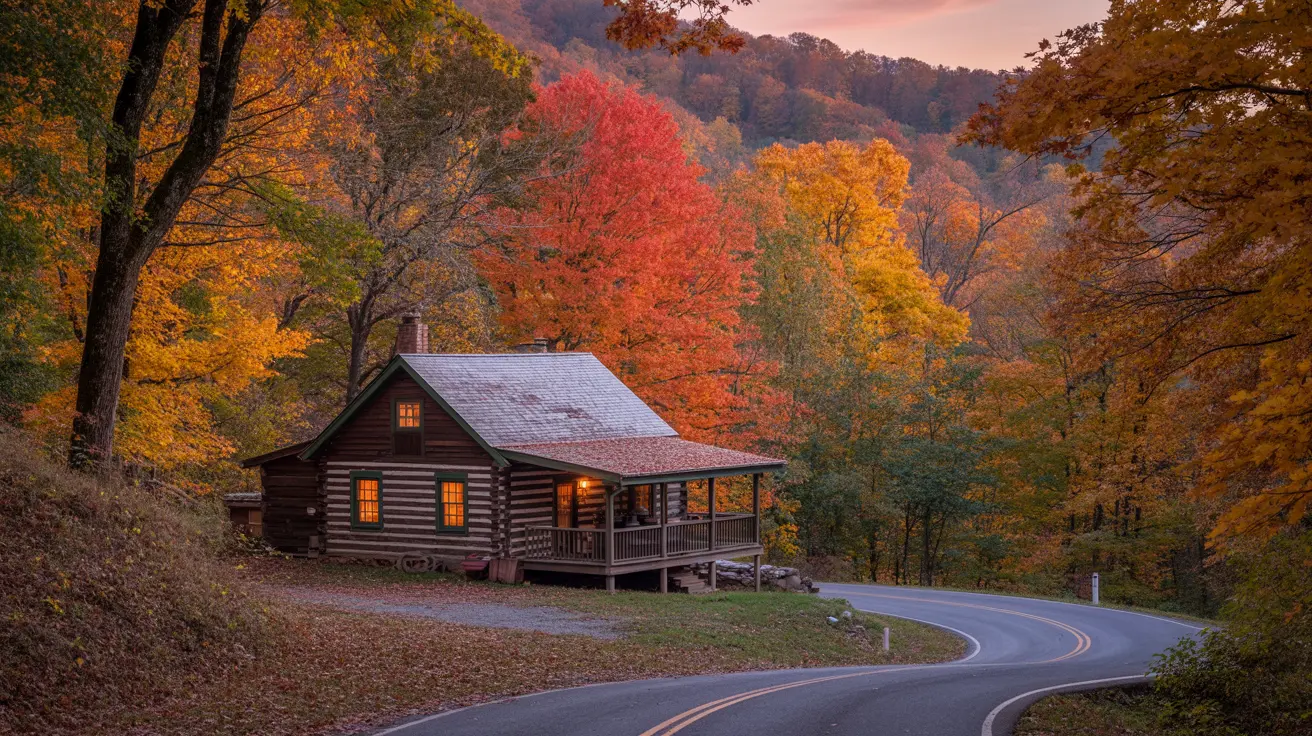
Shenandoah National Park Highlights
Skyline Drive winds directly through Shenandoah National Park, creating one of the most relaxing scenic drives on the East Coast.
The route follows the crest of the Blue Ridge Mountains for over 100 miles, delivering nonstop views of forest-covered ridges, rolling valleys, and distant mountain horizons.
Unlike high-energy road trips packed with constant attractions, Skyline Drive feels peaceful and meditative. The road curves gently through the mountains while wildlife occasionally appears near the roadside and fog drifts through the trees during early mornings.
It’s the kind of drive that naturally encourages travelers to slow down.
Best Scenic Overlooks
Skyline Drive is famous for its scenic overlooks , more than 75 of them spread throughout the route.
Some overlooks face west toward endless mountain ridges, while others reveal sweeping views across the Shenandoah Valley. During sunrise and sunset, the landscape often glows with layers of blue and gold light stretching across the horizon.
Stony Man Overlook and Big Meadows are especially popular for photography and scenic stops, while many travelers discover quieter viewpoints simply by pulling over randomly along the drive.
Every section feels slightly different.
Cabin Getaways Near Skyline Drive
Cabin travelers exploring Skyline Drive usually stay near towns like Luray, Front Royal, and Waynesboro.
Luray has become especially popular thanks to its mountain cabins, riverside rentals, and proximity to hiking trails and Shenandoah National Park entrances. Front Royal offers easier access for travelers beginning the route from northern Virginia.
Cabins in this region range from rustic woodland escapes to luxury mountain homes with hot tubs, fireplaces, and panoramic decks overlooking the valley below.
The atmosphere leans heavily into quiet relaxation rather than adventure-heavy tourism.
Fall Foliage and Seasonal Beauty
Skyline Drive becomes world-famous during fall foliage season.
From late September through October, the mountains transform into layers of red, orange, and gold stretching across the horizon. The combination of elevated overlooks and dense forests makes this one of the best fall road trips in the United States.
Spring brings blooming wildflowers and flowing waterfalls, while summer creates lush green mountain scenery perfect for hiking and cabin stays.
Even winter has its own appeal, with snow-covered ridges and peaceful off-season cabin escapes attracting travelers who prefer solitude.
Kancamagus Highway (New Hampshire)
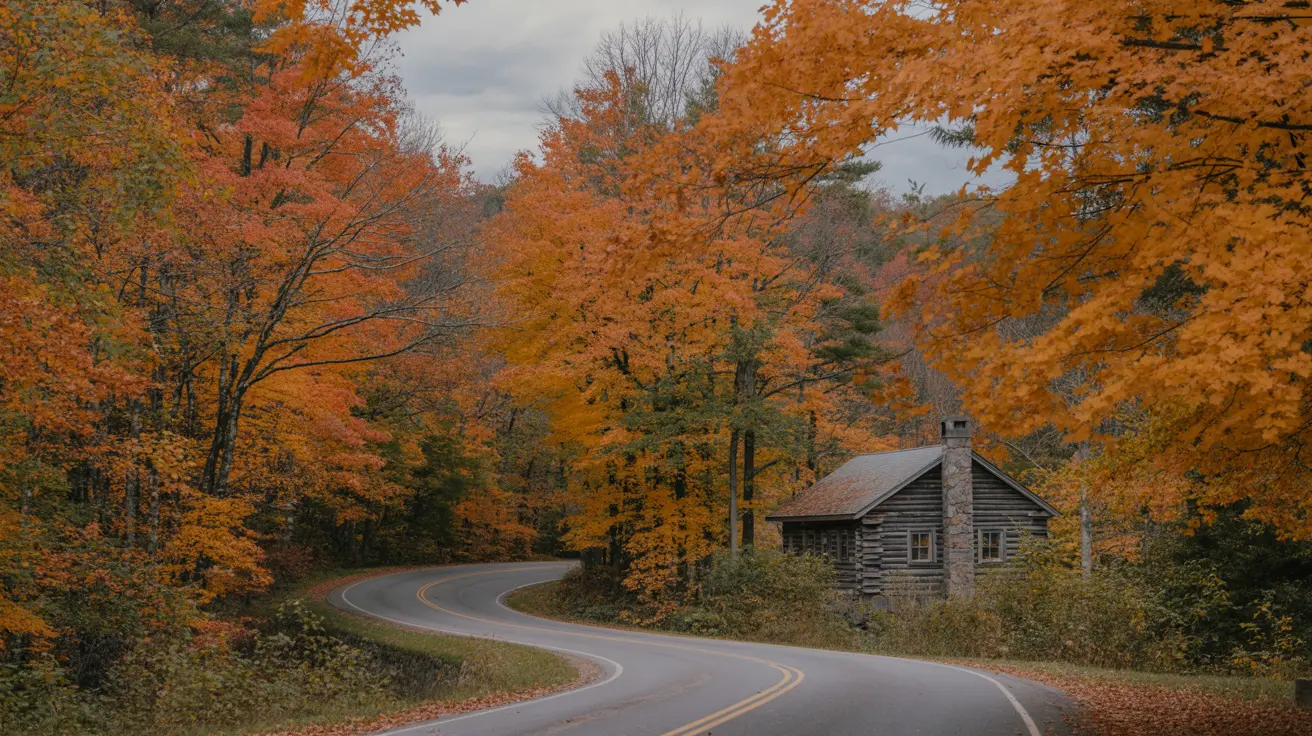
Why It’s Famous for Fall Colors
The Kancamagus Highway may be shorter than many scenic drives on this list, but what it lacks in distance it makes up for in atmosphere.
Known simply as “The Kanc” by locals, this route cuts through New Hampshire’s White Mountain National Forest and becomes one of the most spectacular fall foliage drives in America every autumn.
During peak season, the forests explode with vibrant red, orange, and yellow leaves that blanket the mountainsides in color. Every curve in the road reveals another postcard-worthy view.
Even outside of fall, though, the route remains stunning thanks to its rivers, dense forests, waterfalls, and rocky mountain scenery.
White Mountain Cabin Experiences
Cabin culture is deeply connected to the White Mountains.
Travelers staying near the Kancamagus Highway can choose from classic log cabins, forest cottages, riverside retreats, and cozy mountain lodges hidden throughout towns like Lincoln, Conway, and North Conway.
Many cabins here embrace the traditional New England aesthetic , wood interiors, stone fireplaces, covered porches, and quiet woodland settings perfect for cool-weather getaways.
During fall and winter especially, the atmosphere feels incredibly cozy.
Waterfalls, Rivers, and Scenic Pull-Offs
One reason the Kancamagus Highway works so well for cabin travelers is how easy it is to stop and explore nature directly from the road.
The Swift River runs alongside much of the route, creating countless scenic pull-offs where travelers can picnic, relax, or photograph the landscape.
Popular stops include Sabbaday Falls, Rocky Gorge, and Lower Falls, where visitors can walk short trails to waterfalls and scenic river views without needing strenuous hikes.
The route encourages spontaneous exploration rather than strict itineraries.
Best Time to Plan a Cabin Road Trip
Fall remains the most popular time to visit the Kancamagus Highway, especially from late September through early October when foliage reaches peak color.
Winter transforms the region into a snowy cabin destination ideal for skiing and fireplace weekends, while summer attracts travelers looking for hiking, swimming holes, and mountain scenery.
Spring tends to be quieter but offers flowing rivers and fresh green forests returning after winter.
Every season gives the highway a completely different personality.
Scenic Byway 12 (Utah)
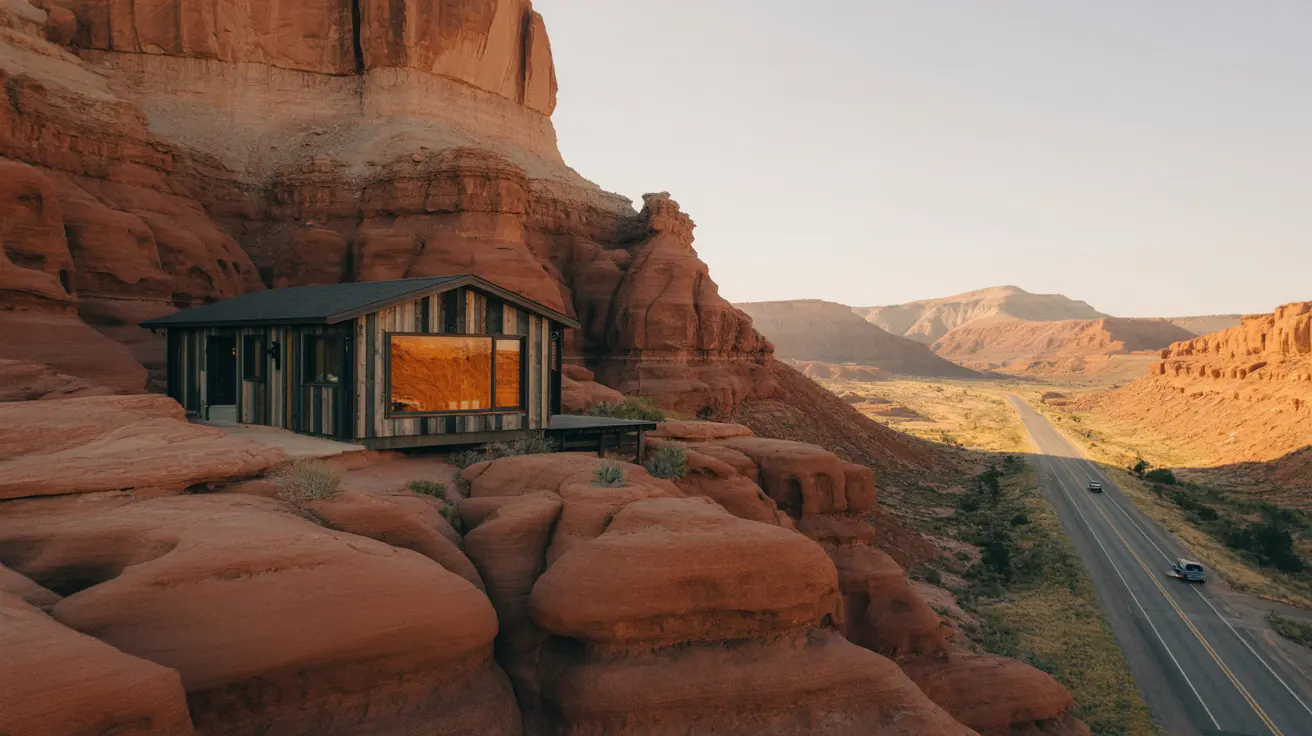
Red Rock Landscapes and Desert Scenery
Scenic Byway 12 feels like driving through another planet.
Stretching across southern Utah between Bryce Canyon and Capitol Reef National Parks, this route delivers some of the most surreal desert scenery in the American Southwest. Massive red rock cliffs, twisting canyons, sandstone domes, and endless desert horizons create landscapes that feel cinematic at every turn.
The road constantly shifts between environments. One moment you’re driving through narrow canyon walls glowing orange in the sunlight, and the next you’re climbing high alpine forests with panoramic desert views stretching for miles below.
Unlike forest-heavy scenic routes, Scenic Byway 12 offers wide-open landscapes that feel massive and untouched. Sunrises and sunsets here are especially unforgettable, with golden light transforming the red rock formations into something almost unreal.
For cabin travelers looking for scenery that feels dramatically different from traditional mountain road trips, this route stands out immediately.
Unique Cabin and Lodge Experiences
Cabin stays along Scenic Byway 12 lean heavily into desert atmosphere and rustic luxury.
Towns like Escalante, Torrey, and Boulder offer everything from modern desert cabins with floor-to-ceiling windows to secluded lodges surrounded by red cliffs and open skies.
Many rentals are designed specifically around the landscape itself. Large outdoor patios, fire pits, hot tubs, and panoramic viewing decks are common because the scenery becomes part of the cabin experience.
Travelers looking for a quieter, more off-grid escape will also find remote cabins hidden far from towns, where stargazing becomes one of the biggest attractions thanks to the region’s dark skies.
At night, the desert feels enormous.
National Parks and Scenic Stops Nearby
One of the best things about Scenic Byway 12 is how many iconic landscapes connect directly to the route.
Bryce Canyon National Park is famous for its towering orange hoodoos and dramatic canyon viewpoints, while Capitol Reef offers cliffs, rock domes, and scenic hiking trails with far fewer crowds than Utah’s more famous parks.
Grand Staircase-Escalante National Monument adds even more adventure opportunities, with slot canyons, hidden waterfalls, and remote desert trails scattered throughout the region.
Travelers also love stopping at Boulder Mountain, where the scenery suddenly shifts from desert terrain to alpine forests and cooler mountain air.
The contrast between environments keeps the drive constantly interesting.
Travel Tips for Desert Road Trips
Driving through desert landscapes requires slightly different planning than forest or mountain road trips.
Summer temperatures in southern Utah can become extremely hot, especially during midday hours, which is why spring and fall are usually considered the best seasons for cabin travelers exploring Scenic Byway 12.
Travelers should always carry extra water, fuel up whenever possible, and download offline maps since some remote sections have limited service.
The reward for that preparation is access to some of the most visually unique road trip scenery in North America.
Going-to-the-Sun Road (Montana)
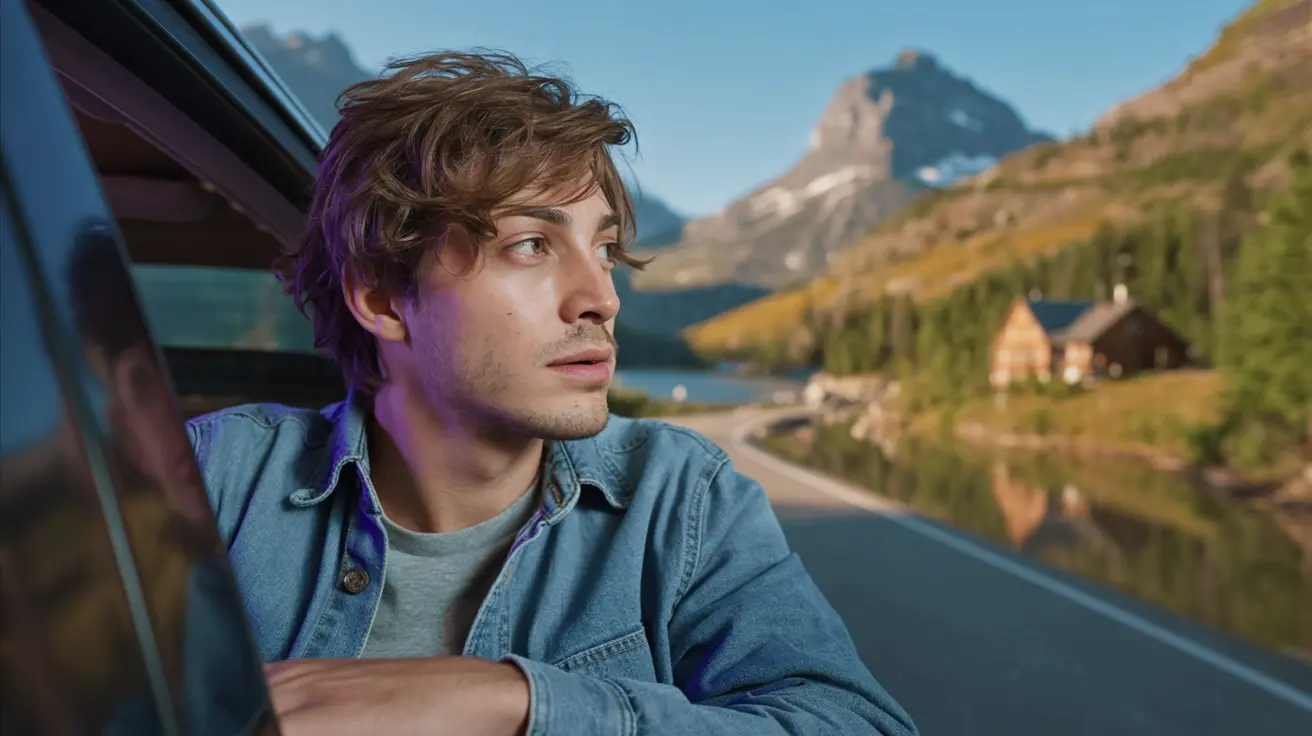
Glacier National Park Views
Going-to-the-Sun Road is one of those scenic drives that instantly lives up to the hype.
Carved directly into the mountainsides of Glacier National Park, this legendary route winds through towering alpine peaks, glacier valleys, waterfalls, and dramatic cliffs that make the entire drive feel almost impossible to believe.
The road itself becomes part of the experience.
Certain sections cling tightly to mountain edges with panoramic views stretching across the park below. Waterfalls pour down rocky cliffs beside the highway, while snow-covered peaks dominate the horizon for much of the route.
The scenery feels wild and untouched in a way few roads still do.
For cabin travelers, the atmosphere around Glacier National Park creates the perfect balance between adventure and relaxation. Days are spent exploring dramatic landscapes while evenings feel quieter and slower back at the cabin.
Mountain Passes and Alpine Lakes
The crown jewel of Going-to-the-Sun Road is Logan Pass, which sits more than 6,600 feet above sea level and delivers breathtaking alpine scenery in every direction.
This section of the drive feels especially dramatic because the landscape changes rapidly as elevation increases. Dense forests give way to exposed mountain ridges, alpine meadows, and sweeping glacier views.
The route also passes stunning lakes like Lake McDonald and St. Mary Lake, both known for crystal-clear water reflecting the surrounding peaks.
During summer, wildflowers cover many of the alpine meadows, adding even more color to an already unforgettable landscape.
Best Cabin Areas Around Glacier
Cabin travelers visiting Glacier National Park often stay near West Glacier, Whitefish, or St. Mary depending on which side of the park they want to explore most.
West Glacier offers easy park access with classic woodland cabins hidden among towering trees, while Whitefish blends scenic mountain atmosphere with a more developed small-town feel.
Many travelers prefer Whitefish because it combines cabin living with restaurants, cafes, and local shops while still keeping easy access to nature.
On the eastern side of the park, St. Mary provides quieter and more remote cabin experiences with dramatic mountain views directly outside the window.
Seasonal Accessibility and Travel Planning
Unlike some scenic routes that stay open year-round, Going-to-the-Sun Road operates seasonally because of heavy snowfall.
The full route typically opens between late June and early July depending on snow conditions, then remains accessible through early fall. Summer becomes the peak season because travelers want full access to Logan Pass and the park’s alpine sections.
Because the driving season is shorter, cabin bookings near Glacier National Park fill quickly, especially during July and August.
Travelers planning a 2026 trip should reserve cabins early if they want the best locations.
Natchez Trace Parkway (Mississippi, Alabama & Tennessee)
Southern Charm and Historic Scenery
Natchez Trace Parkway offers a completely different kind of scenic road trip experience.
Instead of towering mountains or dramatic coastlines, this historic route focuses on peaceful forests, rolling countryside, historic landmarks, and slow southern charm.
The road follows an ancient travel corridor once used by Native Americans, traders, and early settlers, giving the Parkway a deep historical atmosphere that feels quieter and more reflective than many modern scenic drives.
The route stretches across Mississippi, Alabama, and Tennessee, passing through forests, rivers, open farmland, and small southern towns that feel almost frozen in time.
For travelers seeking calm, relaxed road trips without aggressive traffic or crowded tourist stops, Natchez Trace Parkway becomes incredibly appealing.
Rustic Cabin Escapes Along the Parkway
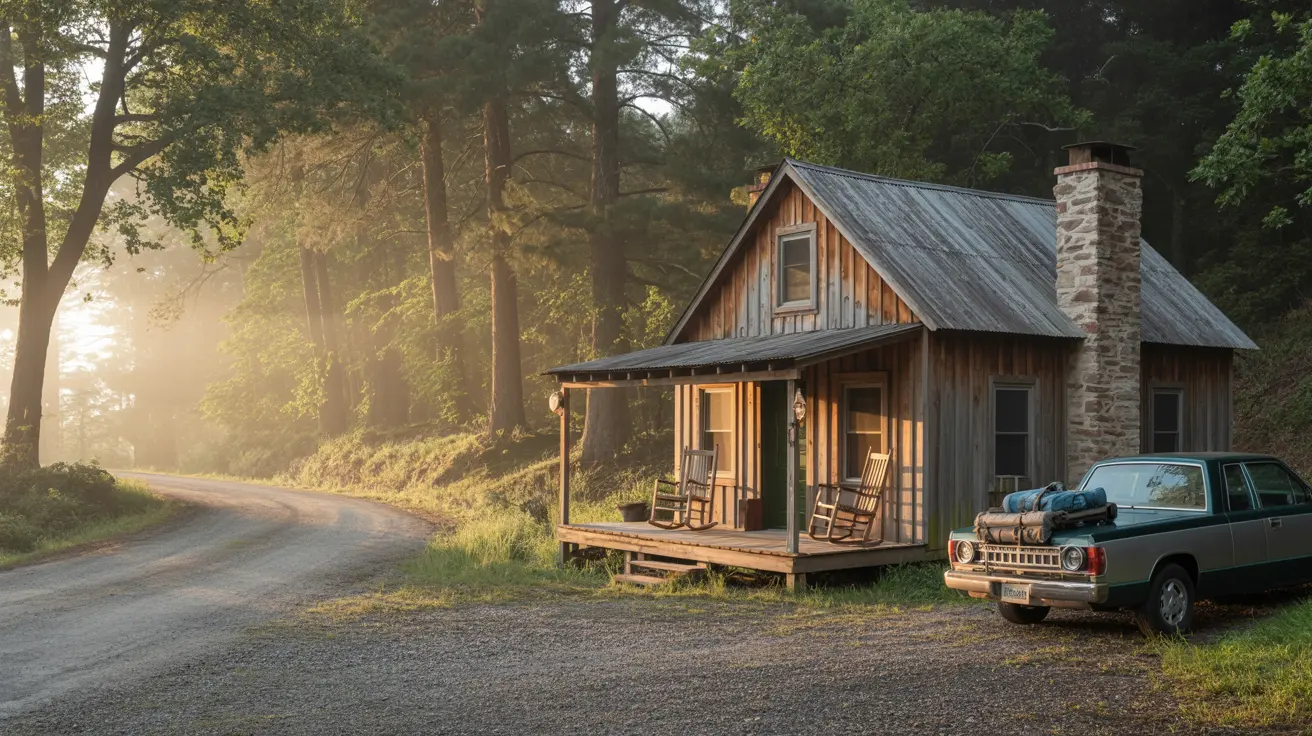
Cabin travelers exploring the Natchez Trace usually gravitate toward rustic woodland stays tucked into quiet southern landscapes.
Unlike flashy mountain resorts or luxury coastal cabins, many cabin experiences here focus on simplicity, comfort, and nature. Travelers can find lakeside cabins, wooded retreats, and cozy cottages hidden throughout Tennessee and Alabama near the Parkway itself.
Some stays lean heavily into classic southern charm, with rocking chairs on covered porches, fire pits, and peaceful forest surroundings perfect for slower evenings after a long drive.
The atmosphere feels intimate and relaxed rather than tourist-heavy.
Scenic Stops and Outdoor Activities
Natchez Trace Parkway rewards travelers who enjoy stopping often.
Scenic pull-offs, hiking trails, waterfalls, historic landmarks, and river access points appear throughout the drive, creating a road trip experience built around exploration instead of speed.
Travelers can hike forest trails one hour, visit Civil War-era sites the next, then stop at a quiet fishing area or picnic spot later in the day.
Cyclists also love the Parkway because of its calm traffic flow and scenic surroundings.
For cabin travelers who enjoy combining history, nature, and peaceful outdoor activities, the route offers a more laid-back experience than adrenaline-focused mountain drives.
Why It’s Ideal for Relaxed Road Trips
Some scenic routes feel dramatic. Natchez Trace feels calming.
The road is intentionally designed without commercial traffic, billboards, or major highway chaos, which creates an incredibly peaceful driving experience. Travelers can cruise slowly through forests and countryside without feeling rushed.
That slower pace pairs perfectly with cabin travel.
Instead of constantly chasing attractions or viewpoints, travelers here tend to focus more on enjoying the atmosphere itself , quiet mornings, scenic drives, and simple outdoor moments that feel restorative rather than overwhelming.
Avenue of the Giants (California)
Driving Through Ancient Redwood Forests
Avenue of the Giants feels almost mythical.
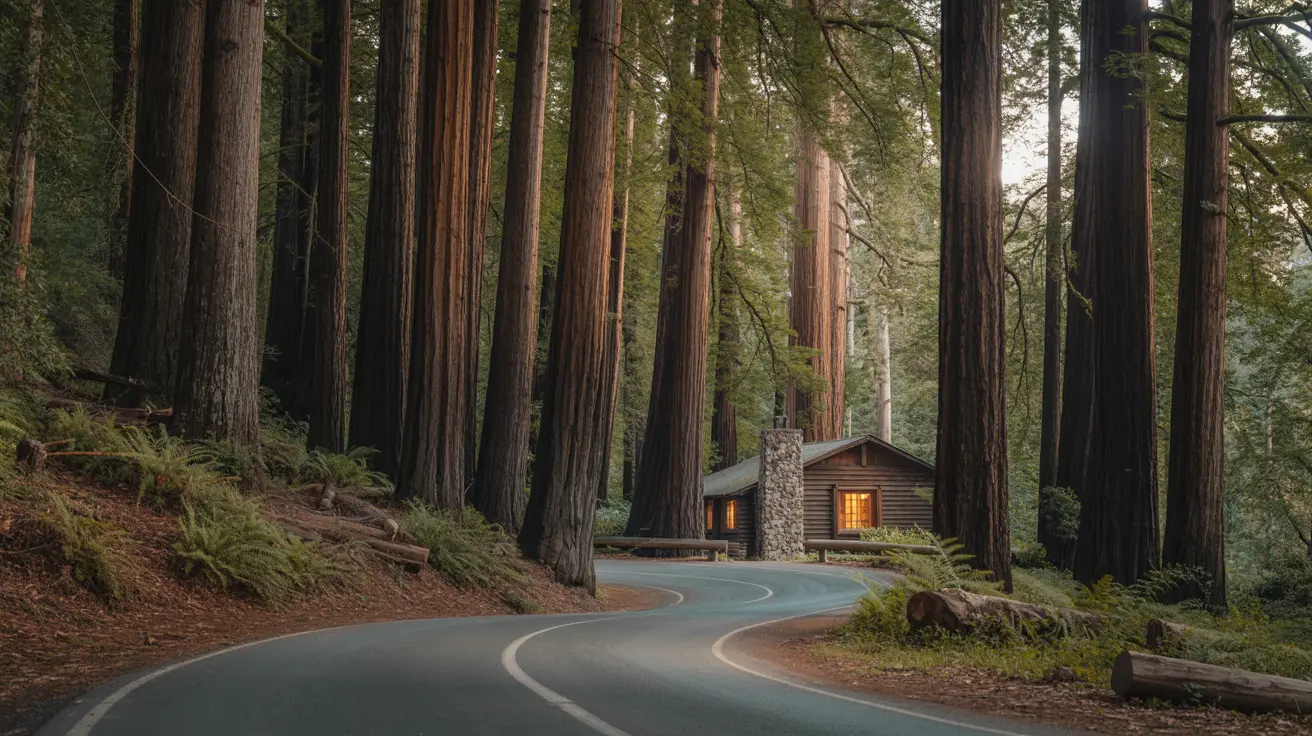
This short but unforgettable scenic drive winds directly through Humboldt Redwoods State Park in Northern California, surrounding travelers with some of the tallest and oldest trees on Earth.
Many of the redwoods here are over 1,000 years old.
Driving beneath these massive trees creates a completely different atmosphere compared to mountain highways or coastal roads. The forest feels darker, quieter, and almost cathedral-like, with sunlight filtering softly through towering branches far overhead.
The road moves slowly through the redwood groves, encouraging travelers to stop constantly for short walks, photographs, and scenic viewpoints.
Even the air feels different inside the forest.
Best Cabin and Lodge Areas Nearby
Cabin travelers exploring Avenue of the Giants usually stay near Garberville, Phillipsville, or Fortuna, where forest cabins and woodland lodges blend naturally into the surrounding redwoods.
Many cabins here emphasize privacy and immersion in nature rather than luxury. Travelers wake up surrounded by massive trees, fog drifting through the forest, and near-total quiet.
That peaceful atmosphere becomes one of the biggest reasons people return.
For travelers wanting something more upscale, boutique lodges and modern forest retreats have also become increasingly popular throughout the region.
Scenic Stops in Humboldt Redwoods State Park
One of the best things about Avenue of the Giants is how easy it is to explore the forest directly from the road.
Short trails lead travelers deeper into the redwoods within minutes, while scenic pull-offs reveal towering groves that feel impossible to fully capture in photos.
Founders Grove remains one of the most popular stops thanks to its easy walking paths and massive old-growth trees. Travelers also love stopping at Eel River viewpoints, hidden picnic areas, and roadside forest trails scattered throughout the route.
Unlike longer scenic drives, this route feels more intimate and immersive.
Why Redwood Drives Feel So Unique
There’s a certain stillness inside redwood forests that’s hard to describe until you experience it yourself.
The towering trees block noise, soften light, and create an atmosphere that feels ancient and deeply peaceful. Many travelers say redwood drives feel emotionally different from other scenic road trips because the environment itself feels almost spiritual.
That quiet atmosphere makes the route especially appealing for cabin travelers seeking rest, reflection, and complete disconnection from busy everyday life.
Best Types of Cabins for Scenic Drive Travelers
Mountain Cabins
Mountain cabins remain the classic choice for scenic road trips because they place travelers directly inside dramatic landscapes.
These cabins are often surrounded by pine forests, elevated overlooks, hiking trails, and crisp mountain air that perfectly complement scenic drives like the Blue Ridge Parkway or Glacier National Park.
Fireplaces, wraparound decks, and panoramic windows make mountain cabins especially appealing during cooler seasons.
Lakeside Cabins
Lakeside cabins create a slower and calmer atmosphere ideal for travelers who want peaceful mornings and quiet evenings after long scenic drives.
Many cabin travelers love waking up beside still water, kayaking at sunrise, or ending the day watching reflections move across the lake from a private dock.
Routes near alpine lakes and forest regions make these cabin experiences especially popular.
Forest Hideaways
Forest cabins focus heavily on privacy and immersion in nature.
These secluded stays are usually tucked deep among trees far away from busy roads or crowded tourist areas. Travelers choose forest hideaways because they create a stronger sense of escape and disconnection from everyday life.
For many people, the silence becomes part of the appeal.
Luxury Cabins With Scenic Views
Luxury cabin travel continues growing rapidly in 2026.
High-end scenic cabins now feature outdoor soaking tubs, spa bathrooms, floor-to-ceiling windows, saunas, gourmet kitchens, and massive decks overlooking mountains, forests, or coastlines.
Travelers increasingly want scenic experiences without sacrificing comfort.
Rustic Cabins for Off-Grid Escapes
Not every traveler wants luxury.
Rustic off-grid cabins continue attracting travelers looking for simplicity, quiet, and a stronger connection to nature. These cabins often feature minimal distractions, limited technology, and more remote settings designed around unplugging completely.
For some travelers, that simplicity creates the most memorable experiences.
How to Choose the Right Scenic Drive for Your Cabin Trip
Best Drives for Fall Foliage
Travelers chasing fall colors should prioritize routes like the Blue Ridge Parkway, Skyline Drive, and Kancamagus Highway.
These roads become famous during autumn because forests transform into vibrant layers of orange, gold, and deep red foliage that stretch across entire mountain ranges.
Late September through October is usually the ideal window for peak color.
Best Coastal Scenic Drives
For ocean views and dramatic cliffside scenery, few drives compare to California’s Pacific Coast Highway.
The combination of rugged coastline, crashing waves, fog-covered forests, and hidden beaches creates one of the most visually dynamic scenic drives anywhere in North America.
Coastal cabin travelers often prioritize atmosphere and sunsets over fast-paced itineraries.
Best Mountain Road Trips
Mountain travelers usually gravitate toward routes like Icefields Parkway, Going-to-the-Sun Road, and North Cascades Highway because of their glacier views, alpine lakes, and towering peaks.
These drives tend to feel more adventurous and dramatic while offering excellent hiking and wildlife opportunities.
Best Scenic Drives for Families
Families often prefer scenic routes with easier accessibility, multiple stop options, and nearby attractions.
Skyline Drive and Blue Ridge Parkway work especially well because they combine scenic overlooks, easy hiking trails, family-friendly towns, and comfortable cabin accommodations without overly difficult terrain.
Best Scenic Drives for Couples
Couples often prioritize atmosphere, privacy, and scenery.
Coastal cabins along Highway 1, luxury mountain cabins near Banff, and secluded forest stays near the Blue Ridge Parkway all create strong romantic energy thanks to fireplaces, scenic views, and slower travel experiences.
Road trips naturally create more uninterrupted time together.
Best Scenic Drives for Solo Travelers
Solo travelers usually look for scenic routes that feel peaceful, reflective, and easy to navigate.
Natchez Trace Parkway, Avenue of the Giants, and portions of the Blue Ridge Parkway work especially well because they encourage slower exploration without overwhelming logistics or intense crowds.
Many solo travelers describe cabin road trips as deeply restorative experiences.
Scenic Road Trip Essentials for Cabin Travelers
Packing for Long Scenic Drives
Comfort matters during scenic road trips.
Travelers should pack layered clothing, comfortable shoes, reusable water bottles, blankets, and weather-ready gear since mountain and forest conditions can shift quickly throughout the day.
The goal is staying flexible and comfortable without overpacking.
Navigation and Offline Maps
Many scenic routes pass through remote areas with weak cell service.
Downloading offline maps before the trip becomes incredibly important, especially for mountain highways, national parks, and forest roads where navigation apps may stop working entirely.
Paper maps can also be surprisingly useful in remote regions.
Road Trip Snacks and Comfort Items
Good road trip snacks make long scenic drives better.
Travelers often pack trail mix, fruit, sandwiches, coffee gear, and portable coolers so they can stop spontaneously at overlooks or scenic picnic areas without needing constant restaurant stops.
Small comfort items also help long drives feel more relaxing.
Camera Gear for Scenic Photography
Scenic cabin trips naturally become photography-heavy experiences.
Even casual travelers usually end up taking hundreds of photos during mountain drives, coastal sunsets, or forest hikes. Cameras, drones, portable chargers, extra batteries, and tripods all become useful depending on the type of scenery travelers expect to encounter.
Some routes feel impossible not to photograph.
Booking Cabins in Advance During Peak Seasons
The best cabins along scenic routes often book out months ahead during peak travel periods.
Fall foliage season, summer national park travel, and holiday weekends create especially high demand for mountain cabins, lakeside rentals, and secluded forest stays.
Travelers planning popular 2026 scenic road trips should reserve accommodations early for the best locations and pricing.
Cabin Road Trip Trends for 2026
Slow Travel and Digital Detox Trips
One of the biggest travel shifts happening in 2026 is the move away from rushed vacations.
More travelers are intentionally choosing slower experiences built around nature, quiet, and flexibility instead of overpacked schedules filled with airports, crowds, and nonstop sightseeing. Scenic cabin road trips fit perfectly into that trend because they encourage people to disconnect from constant stimulation and enjoy the experience itself.
For many travelers, the appeal isn’t just the destination anymore.
It’s waking up slowly in a mountain cabin. Driving scenic roads without strict timelines. Sitting beside a lake without checking notifications every few minutes. The entire experience feels calmer and more restorative than traditional tourism.
Digital detox travel has become especially popular among younger travelers and remote workers looking to mentally reset after spending most of the year online. Cabins hidden in forests, mountain valleys, and lakeside areas naturally create the kind of quiet environment people increasingly crave.
The road trip itself becomes therapy.
Luxury Cabin Experiences
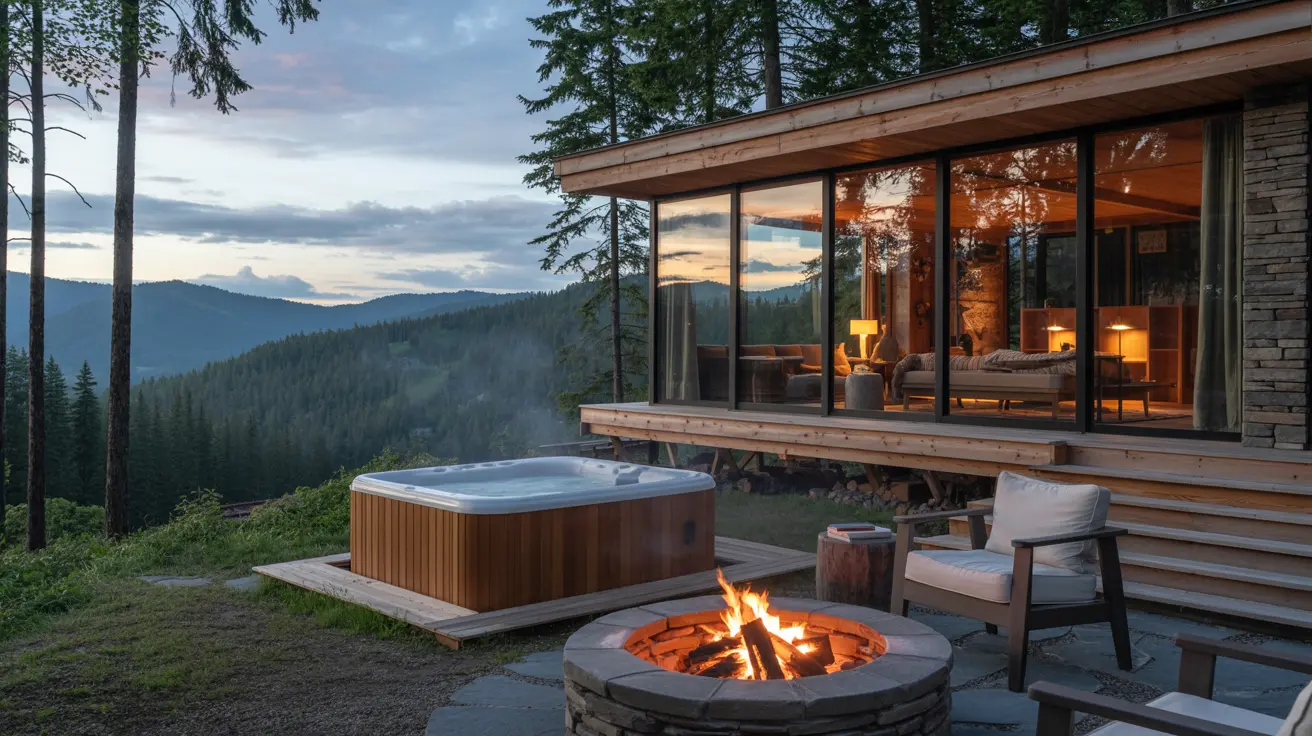
Cabin travel has evolved far beyond basic log cabins in the woods.
Luxury cabin stays are now one of the fastest-growing segments of scenic travel, especially in destinations near national parks, mountain towns, and coastal scenic routes. Travelers still want nature and scenery, but they also want comfort, design, and upscale amenities.

Modern luxury cabins now commonly feature:
- Floor-to-ceiling windows
- Outdoor soaking tubs
- Private saunas
- Smart-home features
- Heated floors
- Massive viewing decks
- Designer interiors
- Indoor fireplaces and outdoor fire pits
The goal is blending wilderness with comfort.
Instead of sacrificing convenience to stay close to nature, travelers now expect both. Scenic drives paired with luxury cabin stays create a travel experience that feels adventurous during the day and deeply comfortable at night.
Eco-Friendly Cabin Stays
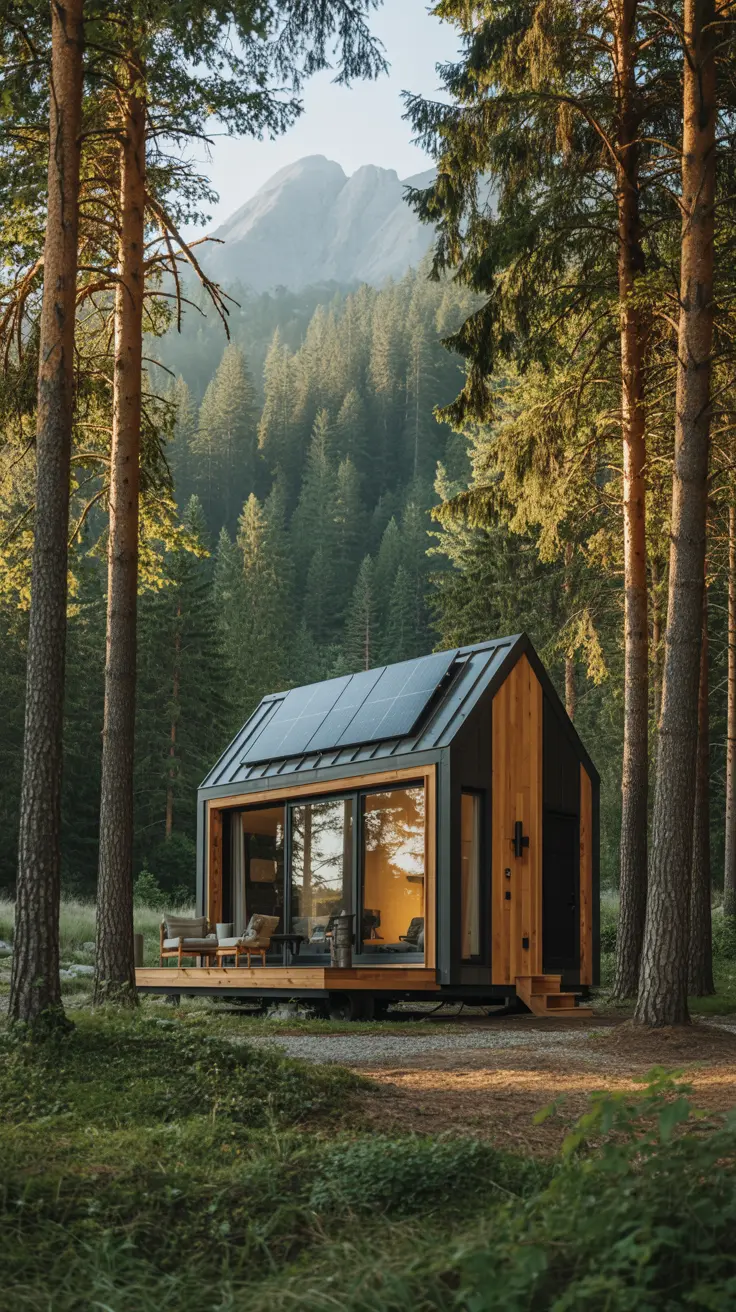
Sustainability continues shaping cabin travel in 2026.
More travelers are actively searching for eco-friendly cabins built around renewable energy, sustainable materials, water conservation, and low-impact architecture. Scenic destinations near forests, lakes, and national parks naturally attract travelers who care about environmental preservation.
Many modern cabin properties now include features like solar power, rainwater collection systems, energy-efficient construction, composting systems, and locally sourced building materials.
Smaller eco-cabins and minimalist retreats have also become increasingly popular among travelers wanting simpler experiences with lower environmental impact.
For many people, the appeal of cabin travel is directly connected to protecting the landscapes they’re visiting.
Scenic Drives With Wellness Retreats
Wellness travel is blending more naturally with scenic cabin road trips.
Instead of booking traditional spa resorts in crowded destinations, travelers are now choosing scenic drives that connect them to peaceful cabin stays focused on relaxation, mental recovery, and outdoor wellness experiences.
Mountain cabins with yoga decks, forest cabins with meditation spaces, lakeside retreats with cold plunges, and wellness lodges near hiking trails are becoming increasingly common.
The scenery itself becomes part of the wellness experience.
Travelers spend mornings hiking through forests, afternoons reading beside lakes, and evenings sitting around fire pits or soaking in hot tubs beneath dark skies full of stars.
Nature-driven wellness travel feels less artificial and more emotionally restorative than heavily commercialized vacation experiences.
Remote Work and Cabin Road Trips
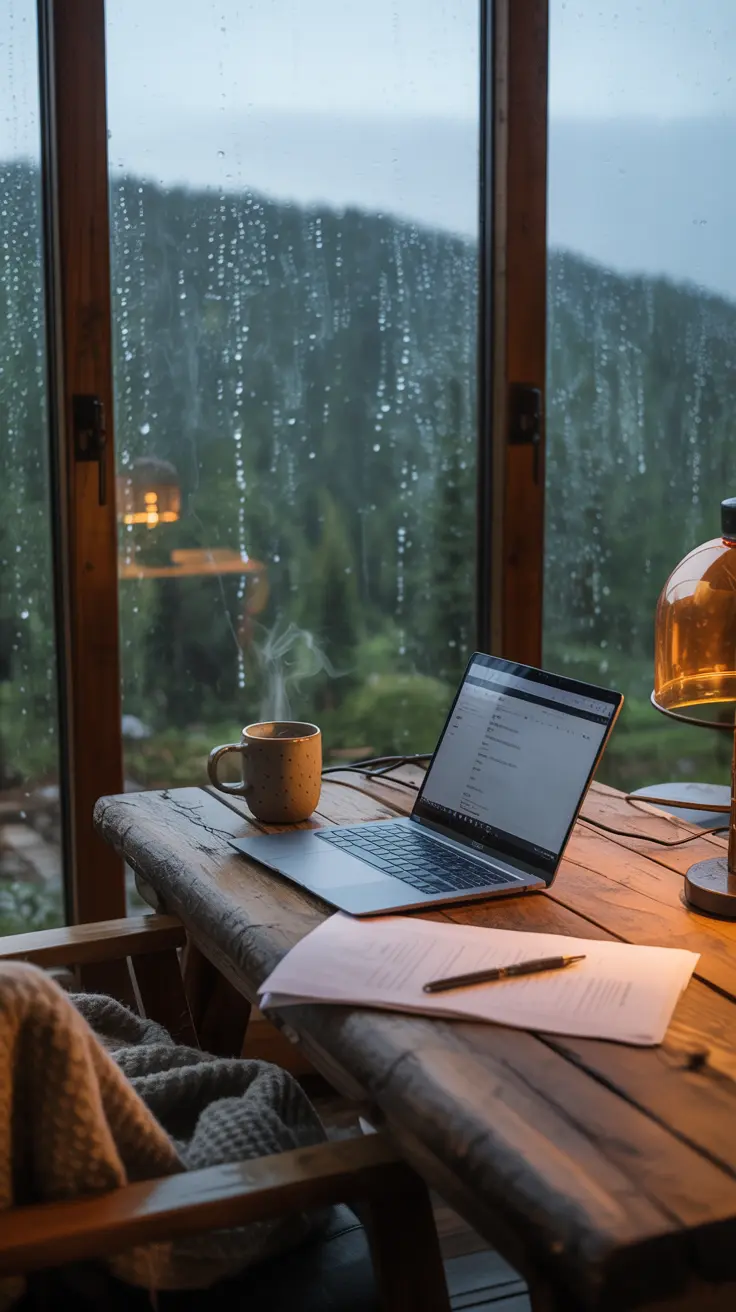
Remote work has permanently changed how people travel.
Many travelers are no longer limited to short weekend escapes or rushed one-week vacations. Instead, they’re booking cabins for longer stays while working remotely from scenic destinations throughout the year.
High-speed internet has become one of the most requested cabin amenities in 2026, especially in mountain towns and forest destinations that previously catered only to short-term vacation travelers.
People are now combining productivity with scenic living.
They spend mornings working beside panoramic mountain windows, afternoons exploring hiking trails or scenic drives, and evenings relaxing in nature instead of commuting through traffic.
For remote workers, scenic cabin road trips create the freedom to temporarily replace stressful routines with environments that actually improve quality of life.
Tips for Planning the Perfect Scenic Cabin Road Trip
Choosing the Best Travel Season
The season you choose can completely change a scenic road trip experience.
Fall is ideal for travelers chasing colorful foliage and cozy cabin atmosphere, especially along routes like the Blue Ridge Parkway and Kancamagus Highway. Summer usually provides the best access to alpine roads, national parks, and hiking trails in mountain regions like Glacier National Park and the Canadian Rockies.
Spring works especially well for waterfalls, blooming wildflowers, and lighter crowds, while winter creates opportunities for snow-covered cabin escapes and quieter scenic routes in certain destinations.
The best season depends entirely on the type of scenery and atmosphere you want.
Combining Multiple Scenic Routes
Some of the best cabin road trips happen when travelers combine multiple scenic drives into one longer adventure.
For example, travelers exploring the Appalachian region often connect Skyline Drive directly into the Blue Ridge Parkway for a continuous mountain road trip stretching across multiple states.
In Washington, travelers sometimes combine North Cascades Highway with portions of the Cascade Loop to experience both alpine scenery and coastal landscapes during the same trip.
Combining routes creates more variety and allows travelers to experience different cabin styles, landscapes, and regional atmospheres within a single vacation.
Finding Hidden Cabin Destinations
The most memorable cabin stays are often the ones travelers discover accidentally.
While famous mountain towns and national park areas remain popular for good reason, smaller nearby communities often offer quieter cabins, lower prices, and more peaceful surroundings without sacrificing scenery.
Travelers willing to explore beyond major tourist hubs frequently uncover hidden lakeside cabins, forest retreats, and mountain hideaways that feel far more private and authentic.
Sometimes the best cabin isn’t directly beside the most famous overlook , it’s the one hidden twenty minutes away in complete silence.
Avoiding Peak Tourist Crowds
Scenic drives are always better when they don’t feel overcrowded.
Travelers looking for a calmer experience should consider visiting during shoulder seasons like late spring or early fall instead of peak summer holiday periods. Starting drives early in the morning also helps avoid heavy traffic around popular scenic overlooks and hiking areas.
Weekday travel can make an enormous difference as well.
Many scenic routes that feel crowded on weekends become surprisingly peaceful during midweek travel periods, especially near national parks and major tourism destinations.
For cabin travelers, avoiding crowds usually creates a more relaxing and immersive experience overall.
Creating Flexible Travel Itineraries
The best scenic road trips rarely follow rigid schedules.
Unexpected stops are part of what makes cabin travel memorable , a roadside waterfall, a hidden hiking trail, a scenic overlook at sunset, or a mountain town you didn’t originally plan to visit.
Travelers who leave space for spontaneity often enjoy scenic drives far more than travelers trying to maximize every hour with tightly packed itineraries.
Cabin road trips work best when the pace feels relaxed.
Sometimes the most unforgettable moments happen completely off schedule.
Final Verdict: The Best Scenic Drives for Cabin Travelers
The best scenic drives for cabin travelers are the ones that make you slow down without even realizing it.
They’re the roads where you stop more than you planned. Where the scenery keeps changing just enough to keep you curious. Where the drive itself feels as memorable as the cabin waiting at the end of it.
That’s why scenic cabin travel continues growing in 2026.
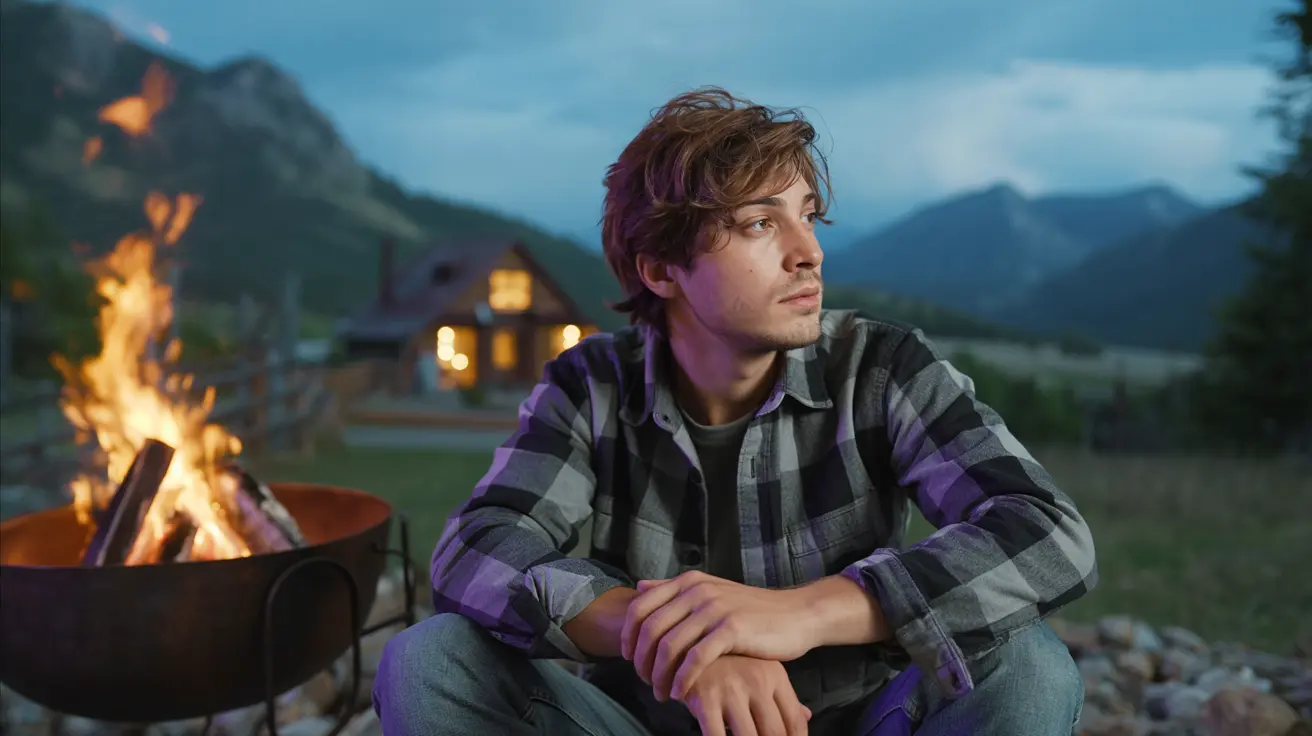
People are craving experiences that feel calmer, more personal, and more connected to nature. Scenic road trips offer freedom, flexibility, and discovery in a way that fast-paced vacations often can’t. Pair that with a cozy cabin surrounded by mountains, forests, lakes, or coastlines, and the entire trip becomes something far more immersive than simply “going away for a few days.”
Every scenic route offers a different kind of atmosphere.
The Blue Ridge Parkway delivers classic mountain-road-trip energy with endless Appalachian views. Highway 1 brings dramatic coastal scenery and oceanfront cabin escapes. Icefields Parkway feels wild and cinematic with glaciers and turquoise lakes around every turn. Meanwhile, quieter routes like Natchez Trace Parkway and Avenue of the Giants create slower, more reflective travel experiences built around peace and atmosphere.
The beauty of cabin road trips is that there’s no single right way to do them.
Some travelers want luxury mountain lodges with spa-like amenities and panoramic decks. Others want rustic cabins deep in the woods with no distractions except the sound of wind through the trees. Some want adventure-heavy trips packed with hiking and national parks, while others simply want quiet mornings, scenic drives, and a break from everyday routines.
That flexibility is exactly what makes scenic cabin travel feel timeless.
At its core, it’s about reconnecting with something people don’t always realize they miss , silence, fresh air, slower mornings, and landscapes that make the world feel bigger again.
Sometimes the best trips aren’t the ones where you do the most.
They’re the ones where you finally feel like you can breathe.

Leave a comment
Your email address will not be published. Required fields are marked *