
Picture this: It’s Friday evening. Instead of collapsing into another weekend swallowed by chores and endless scrolling, you’re cruising toward a cozy cabin, playlist humming, zero Sunday-night dread in sight. The secret? Not luck , but smart, intentional planning that turns a simple 2 or 3 day getaway into pure recharge.

A well-executed weekend escape can slash stress levels, strengthen relationships, spark creativity, and deliver the kind of mental reset that longer vacations often promise but rarely deliver. Here’s your complete, step-by-step blueprint to plan a stress-free weekend escape that feels effortless and memorable.
1. Define Your Goals and Choose Dates
Every great escape starts with a clear “why.” Are you craving total unplugging, a romantic reset, family bonding, or a quick adventure fix? Clarifying your purpose prevents the classic trap of trying to do everything and ending up exhausted.

Pull out your calendar and scan for open weekends , ideally 4 to 8 weeks ahead. This window gives you better availability and pricing without feeling last-minute. Select 2–3 flexible date options so you can pivot around weather, work surprises, or irresistible deals.
Consider your group size early. Solo trips allow total freedom, couples might prioritize romance, while families need kid-friendly (or pet-friendly) options. Surprises can be delightful, but they require extra coordination , think pet sitters, shared calendars, or grandparents on standby.
Tip: Block the weekend in your calendar right away and treat it like a non-negotiable meeting with yourself. The anticipation alone becomes part of the joy.
2. Select the Right Destination
For true stress-free travel, keep it drivable , ideally 2 to 5 hours away. Driving eliminates airport drama, lets you control the schedule, and opens the door to spontaneous roadside stops.
Use mapping tools to explore towns, national parks, beaches, or quiet countryside spots within your radius. Match the destination to your goals: a lakeside cabin for relaxation, a vibrant small city for food and culture, or hiking trails for adventure.

Check seasonal realities , shoulder seasons often bring fewer crowds and better rates. Avoid peak festival weekends unless that’s your vibe.
Helpful Resources:
- Tripadvisor for honest reviews and attractions
- The New York Times “36 Hours” series for inspired itineraries
- Roadtrippers app for scenic route planning
3. Set a Realistic Budget
Weekend escapes don’t have to break the bank, but vague spending leads to stress. Create a simple breakdown: transportation, accommodation, meals, activities, gas/tolls, and a buffer for incidentals.

Aim for balance , blend free pleasures (sunrise walks, beach picnics, window shopping) with a few paid highlights. Hunt for deals on Groupon, look at midweek-adjacent rates, or consider camping and Airbnb options for bigger savings.
Pro Tip: Build a quick spreadsheet, set an overall number, and allow one intentional splurge (that waterfront dinner or massage). Tracking keeps you in control without turning into a penny-pincher.
4. Book Accommodations and Transportation
Once your dates and destination lock in, book early , especially for popular spots.

For lodging, compare options: boutique hotels on Booking.com (with free cancellation), charming Airbnbs, rustic cabins, or even a luxurious staycation closer to home. Prioritize locations central to your planned activities.
If driving, give your vehicle a quick pre-trip check (tires, oil, insurance). For the occasional flight, tools like Google Flights or Hopper can surface smart deals. Always confirm cancellation policies, parking, and shuttle details.
5. Research and Build a Flexible Itinerary
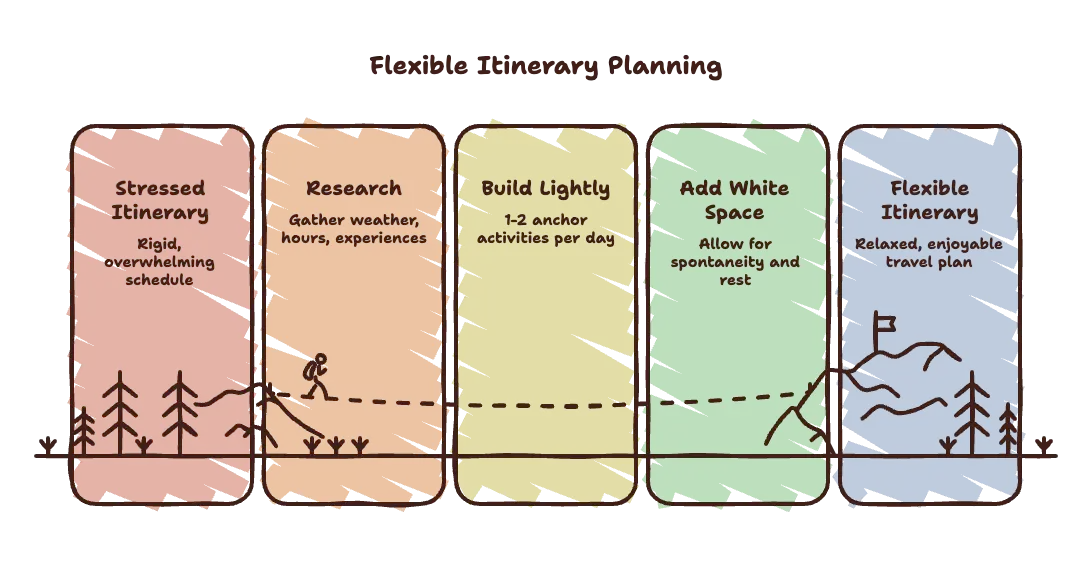
The biggest stress-killer? A loose itinerary, not a military schedule.
Research weather, opening hours, and must-try experiences using Tripadvisor, Yelp, and local tourism boards. Then build lightly: aim for just 1–2 anchor activities per day, leaving generous white space for sleeping in, lingering over coffee, or following a random sign to a hidden viewpoint.
Essential Tools:
- TripIt or Google Trips to organize reservations
- Atlas Obscura for unexpected, soul-stirring finds
Remember: the best moments often happen in the unplanned gaps.
6. Pack Smart and Light
Overpacking is the enemy of relaxation. Start gathering items 1–2 weeks early.
Follow the 1-2-3-4-5 rule: 1 jacket, 2 pairs of shoes, 3 bottoms, 4 tops, 5 sets of underwear/socks. Choose versatile, mix-and-match pieces in comfortable fabrics.

Essentials Checklist:
- Documents: ID, printed/digital reservations, insurance info, cards, cash, phone charger
- Clothing: Weather-appropriate layers, comfortable shoes, sleepwear
- Toiletries & Health: Travel-sized items, prescriptions, basic first-aid kit
- Tech: Phone, portable battery, headphones
- Other: Snacks, reusable water bottle, book or journal, rain jacket, sunglasses
Lay everything out on your bed first, then pack. Prepare a small “in case” bag with essentials for your carry-on or car.
7. Handle Pre-Trip Logistics
Tie up loose ends at home so you can truly disconnect.

Hold mail, clear out fridge perishables, arrange pet care, and let trusted neighbors know you’ll be away. Set smart lights on timers for security. Share your basic itinerary with one reliable person.
Download offline maps, music, and reservation confirmations. Double-check bookings the day before.
8. During the Trip: Stay Present and Flexible
Once you arrive, give yourself permission to loosen the plan.
Adjust based on energy levels and weather. Unplug as much as feels right , maybe even try a phone curfew after dinner. Focus on being where you are: savoring meals, laughing with your people, watching the sky change colors.
Build in real rest. A stress-free escape means coming home refreshed, not needing another vacation to recover from your vacation.
9. Post-Trip Wind-Down and Reflection
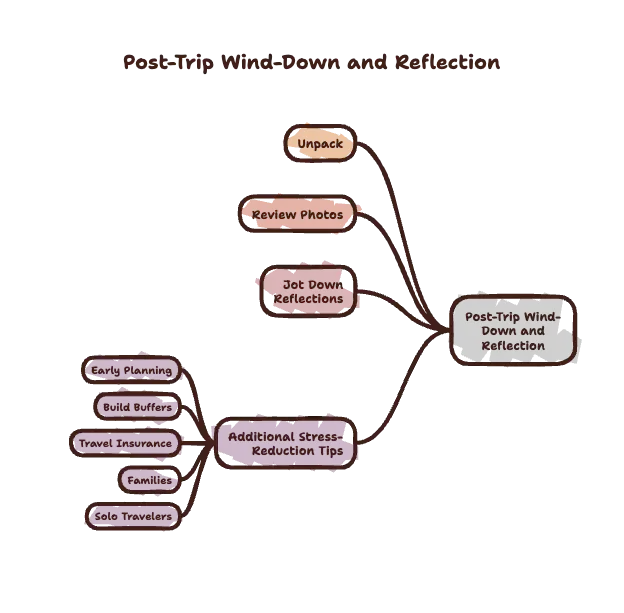
Ease back into regular life gracefully. Unpack the same evening if possible, review your favorite photos, and jot down what worked well (and what you’d change next time). These reflections turn one good trip into a lifetime of better ones.
The glow of a weekend escape often lingers long after you return.
Additional Stress-Reduction Tips
- Start planning early but keep the process light and enjoyable
- Always build buffers for traffic or mood shifts
- Consider travel insurance for bigger peace of mind
- Families: Keep some familiar routines while adding fun downtime
- Solo travelers: Lean into the freedom and self-date intentionally
Conclusion
Planning a stress-free weekend escape isn’t about perfection , it’s about shifting your energy from logistics to living. When you return home lighter, clearer, and recharged, you’ll wonder why you didn’t do it sooner.
So go ahead. Open your calendar right now and claim your next weekend. Your future self , relaxed, smiling, and already dreaming of the next one , will thank you.
What’s your favorite kind of weekend escape , mountains, beach, city, or cabin? Drop your go-to destination or best tip in the comments below. I’d love to hear your stories.
Ready to make your next weekend unforgettable? Start small, stay flexible, and let the adventure unfold.

Leave a comment
Your email address will not be published. Required fields are marked *